a16z Speedrun has become one of the most competitive startup accelerators in the world. Under 0.4% acceptance rate. 14,000+ applications per cohort. A portfolio backed by one of venture capital's most powerful firms. For many founders, getting into Speedrun feels like the ultimate validation.
But here's something worth saying plainly: Speedrun is not the right program for everyone, and it is not the only program worth your time applying to.
Depending on where you are in your journey, what kind of support you need, and what you're building, several other programs might serve you better. Some have smaller cohorts, more hands-on partner time, or stronger networks in specific sectors. Others are designed for a specific kind of founder that Speedrun was not built for.
This post covers the best a16z Speedrun alternatives, what they actually offer beyond what's on their websites, and how to think about which program fits your situation. But first, it's worth understanding what Speedrun is and why it has attracted so much attention in the first place.
Table of Contents
What is a16z Speedrun?
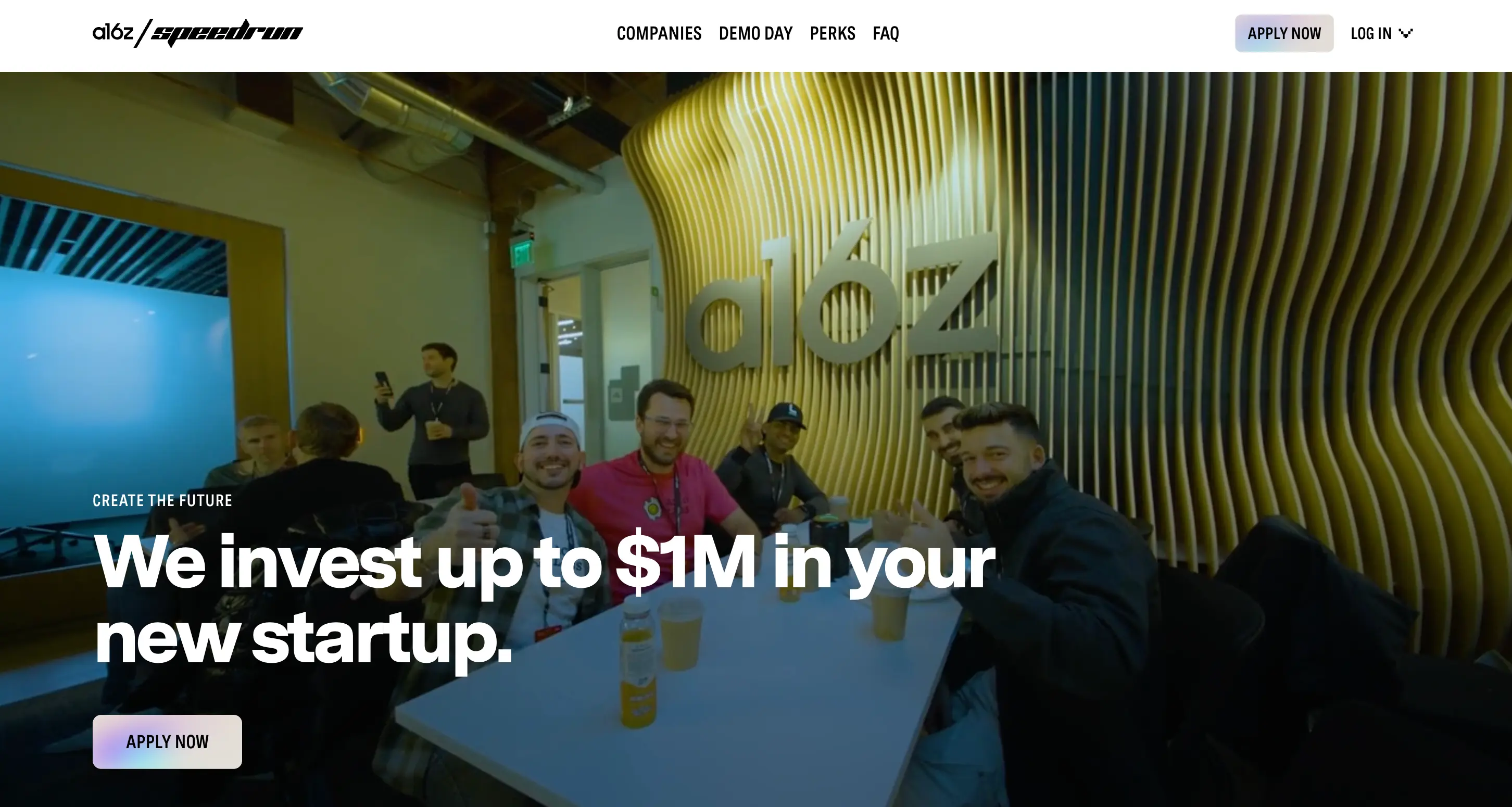
Before we get into the other accelerator programs, let’s make sure we have a clear understanding of what a16z offers and what type of founders it’s best for.
Program Snapshot
- HQ: San Francisco, California (two cohorts per year)
- Stage Focus: Pre-seed
- Sector Focus: Tech and entertainment (AI, gaming, creative tools, XR, streaming, and adjacent categories)
- Deal Terms: $500,000 for 10% via SAFE + $500,000 in your next round within 18 months = up to $1,000,000 total, plus $8M+ in partner credits. No board seat. Pro rata rights.
- Program Format: 12-week in-person accelerator with one intensive day per week
- Acceptance Rate: Under 0.4%
Why did Andreessen Horowitz build an accelerator?
Most top-tier venture firms don't operate accelerator programs. They deploy capital at scale, not founder support at the earliest stage. So why did a16z build one?
The short answer is access. Speedrun gives a16z an early look at pre-product, pre-revenue teams before they become obvious investment targets. But more importantly, it gives founders earlier access to the firm's network, operators, and institutional knowledge than a typical first check would allow.
a16z has deployed over $100 million into Speedrun companies across more than 120 startups. By VC standards, that's a small number. But the strategic value of identifying exceptional founders early and establishing those relationships before anyone else is enormous.
What "moving faster" actually means in practice
The name is more than branding. Speedrun is built around the premise that speed of execution is the primary competitive advantage at the earliest stage.
In the program, that means compressed timelines across every function. Founders get access to a16z operators, advisors, and subject matter experts in recruiting, go-to-market, product, design, AI, and marketing before they can justify hiring for any of those roles.
One UK founder who went through the program described shipping new features every 48 hours and launching a product four weeks ahead of schedule. Multiple teams in the same cohort hit $1 million in ARR within six weeks. That pace is not typical. It's the culture the program deliberately builds.
The 12-week format is structured but not overwhelming. Founders commit to one focused day per week of in-person sessions, workshops, and office hours. The rest of the week is yours to build. Weekly themes move through brand building, customer acquisition, fundraising, team building, enterprise sales, and demo day prep in a deliberate sequence.
What founders consistently praise about Speedrun
The network access is the most frequently cited benefit. Sessions with Ben Horowitz, Howie Liu, Spencer Rascoff, Andrew Chen, and other operators who have built iconic companies are not promotional talks. They are working sessions with real feedback.
Small cohort sizes also matter. Sixty to seventy teams sounds large, but Speedrun deliberately caps cohorts to maintain the quality of access. Founders consistently report that the signal-to-noise ratio inside the program is unusually high.
One founder put it well: "Speedrun isn't just about improvement or repetition. You can learn to separate good insights from a pattern of success without having to go through them 1,000 times."
The 10 Best a16z Speedrun Alternatives
1. Y Combinator
Program Snapshot
- HQ: San Francisco, California (two batches per year)
- Stage Focus: Pre-seed to early Seed
- Sector Focus: Generalist
- Deal Terms: $125,000 for 7% equity + $375,000 uncapped SAFE = $500,000 total
- Program Format: 3-month in-person accelerator with weekly group sessions, office hours, and Demo Day
Y Combinator is the benchmark. Every other accelerator gets compared to it, including Speedrun. It has backed over 5,000 companies, including Stripe, Airbnb, Dropbox, Coinbase, and DoorDash. The alumni network is genuinely unprecedented.
What makes YC different from almost everything else is the fundraising signal. Walking into a seed round after YC Demo Day with the YC brand on your cap table changes how investors behave. Meetings get easier. Term sheets move faster. That effect is real and measurable, and it persists long after the batch ends.
The program itself is structured around weekly group office hours with a partner, one-on-ones, and access to guest speakers. The emphasis is on talking to customers, iterating on product, and getting to a clear story for Demo Day. Founders who get the most out of YC tend to be those who treat office hours seriously and use the peer network aggressively.
The tradeoff is scale. YC runs large batches, which means partner time is shared across hundreds of companies. If you need deep, hands-on engagement during the program, you may find the structure too light. But if you are primarily optimizing for fundraising leverage and long-term network access, nothing competes with YC's track record.
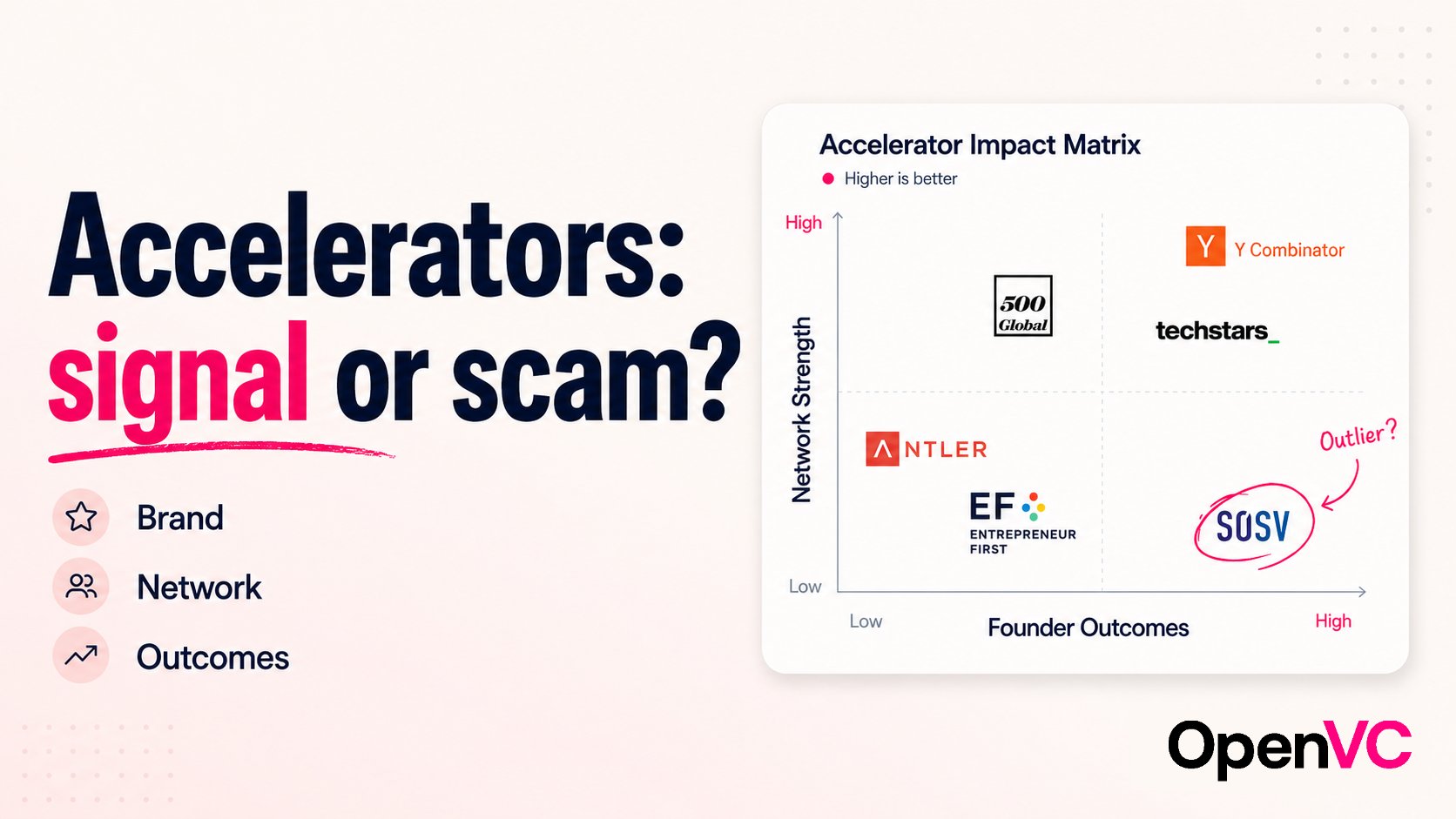
Check out more YC-specific alternatives in our other blog post.
2. HF0

Program Snapshot
- HQ: San Francisco, California (two batches per year)
- Stage Focus: Pre-seed to early Seed
- Sector Focus: Generalist, with a strong technical and AI orientation
- Deal Terms: $1,000,000 via uncapped SAFE + 5% equity stake (approximately 10% total ownership)
- Program Format: Residential accelerator with small cohorts
The next a16z Speedrun alternative is HF0, which positions itself as the residency for repeat founders. The program is not designed for first-time builders still figuring out what to build. It is built for technical founders who have already done this before, who understand what company building involves, and who want an environment that matches their pace.
The residential model is central to the experience. Founders live and work together in SF, which creates an intensity of peer learning that office-based programs rarely replicate. The emphasis is on rapid product development and early traction, with access to a curated network of investors and operators.
The deal terms are among the most capital-efficient at this stage, though the combined equity position is meaningful. For founders who have existing relationships with investors and don't need the YC fundraising halo, HF0 offers a compelling a16z Speedrun competitor that takes up less equity than some competing programs while providing substantially more capital.
If you have founded a company before, have deep technical credibility, and want a tight-knit residential experience with other elite builders, HF0 is worth a serious look.
3. Neo
Program Snapshot
- HQ: San Francisco, California
- Stage Focus: Pre-seed
- Sector Focus: Deep tech, AI, and high-ambition technical startups
- Deal Terms: $750,000 via uncapped SAFE (low dilution, founder-friendly structure), plus $450,000+ software credits
- Program Format: Small cohort program with ongoing community and founder support
Neo was founded by Ali Partovi, and the program reflects his approach: low dilution, high conviction, small cohorts, and a genuine emphasis on deep technical founders.
What founders consistently highlight about Neo is the quality of relationships rather than the quantity of events or resources. Cohorts are small enough that you actually know your peers and can build meaningful working relationships with them. That has ongoing value well beyond the program itself.
The uncapped SAFE structure is deliberately designed to avoid signaling a valuation that might anchor your subsequent fundraise. For technical founders who are not yet sure what their company will look like at the seed stage, that flexibility matters.
Neo is not the right fit if you need intensive go-to-market support or structured sales mentorship. The program is strongest for founders who know how to build and need a community of equally sharp people around them while they figure out the right shape of the business.
4. PearX
Program Snapshot
- HQ: San Francisco, California (two cohorts per year)
- Stage Focus: Pre-seed to Seed
- Sector Focus: Generalist, with particular depth in enterprise, AI, and consumer
- Deal Terms: Approximately $250,000 to $2,000,000 depending on stage and company needs (terms are company-specific and not standardized)
- Program Format: Small cohort program with very high partner-to-founder ratio
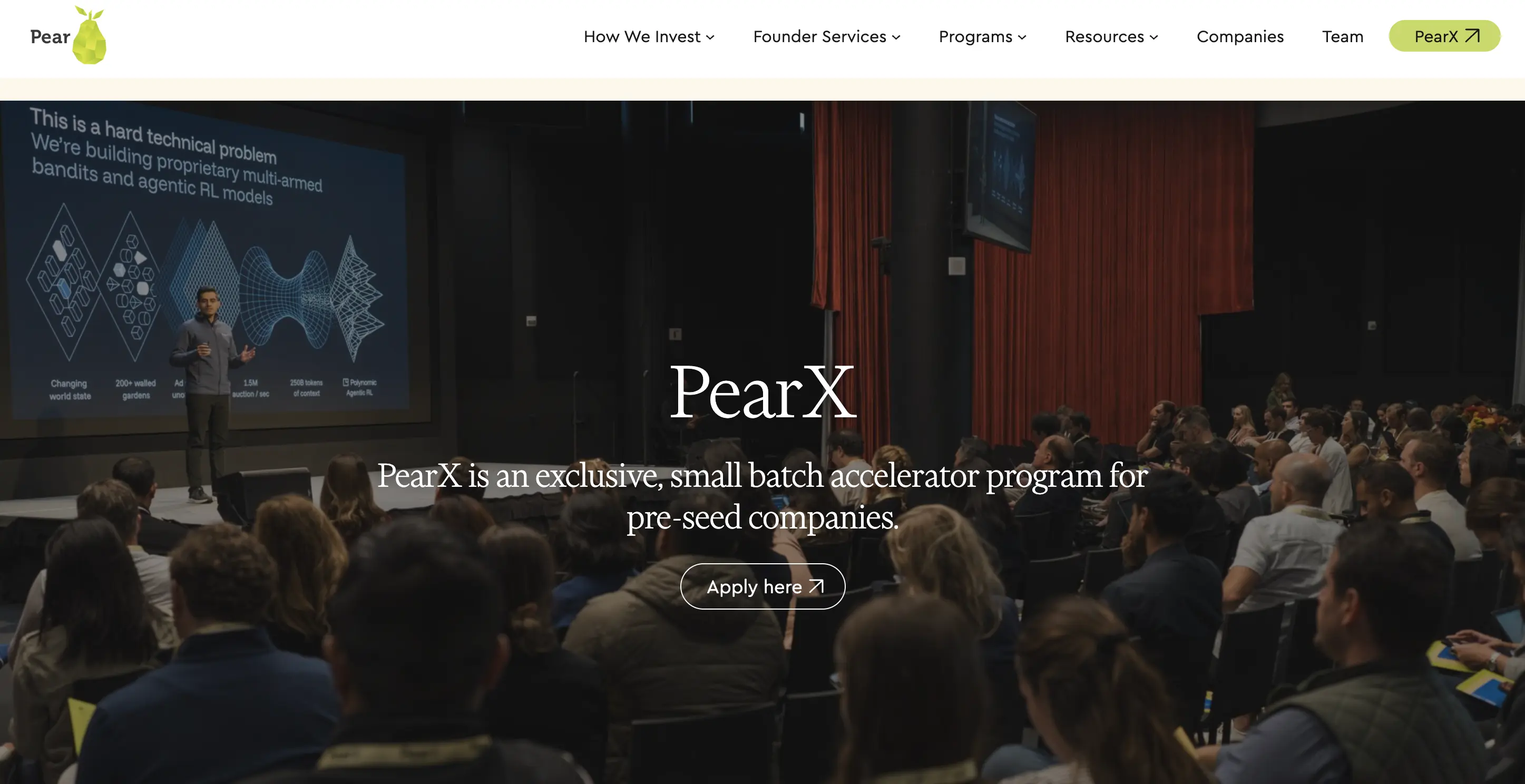
PearX is Pear VC's accelerator arm, and it operates on a fundamentally different model from large-batch programs. Cohorts are intentionally small.
Because cohort sizes are limited, the partner-to-founder ratio is much higher than most programs like Speedrun. Founders report genuinely substantive engagement with the Pear partners throughout the program, not just during scheduled office hours. That level of access is difficult to replicate at scale and is the main reason founders choose PearX over larger alternatives like Speedrun.
The investment terms are company-specific, which can be both an advantage and a source of uncertainty. Founders who come in with early traction or existing investors have room to negotiate from a stronger position. Those at the very earliest stage should expect terms closer to the lower end of the range.
If you're the kind of founder who wants to work closely with your investors from day one, and you're building in a space where Pear's portfolio and network are relevant, PearX is worth pursuing seriously.
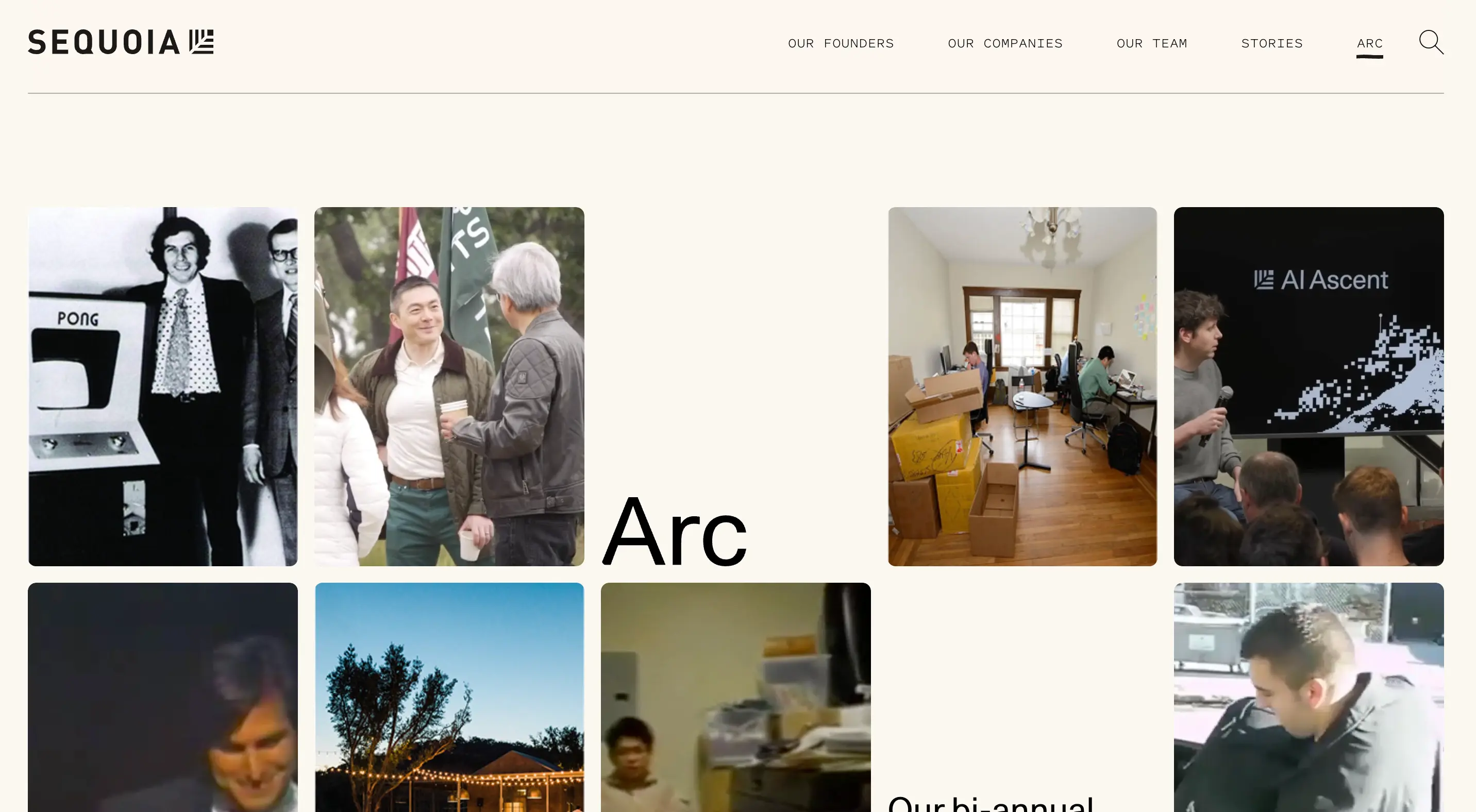
5. Sequoia Arc
Program Snapshot
- HQ: San Francisco (Americas cohorts); London (Europe cohorts). In-person sessions in NYC, Bay Area, and London.
- Stage Focus: Pre-seed to early Seed
- Sector Focus: Generalist
- Deal Terms: $1,000,000 upfront investment (company-specific terms; no fixed equity percentage published). Early cohorts cited approximately 10% for first checks.
- Program Format: 4-day immersive Arc Intensive + ongoing hybrid program. Approximately 10 companies per cohort.
Sequoia deliberately refuses to call Arc an accelerator. It refers to it as a company-building immersion. That distinction reflects a specific point of view: the program is not designed to teach founders generic startup skills. It is designed to pressure-test the specific company in front of them using the accumulated experience of a firm that backed Apple, Google, Stripe, Airbnb, Instagram, and WhatsApp.
The Arc Intensive compresses that institutional knowledge into four days of structured workshops on founder-market fit, customer story, product story, go-to-market, business fundamentals, and Sequoia's proprietary PMF framework. The cohort size of roughly ten companies means founders get meaningful one-on-one time with Sequoia partners, not just exposure to a group curriculum.
I think the most underrated aspect of Arc is the signal it sends to other investors. Getting into Arc is extremely hard, and the market knows it. That alone changes how seed-stage conversations go after the program.
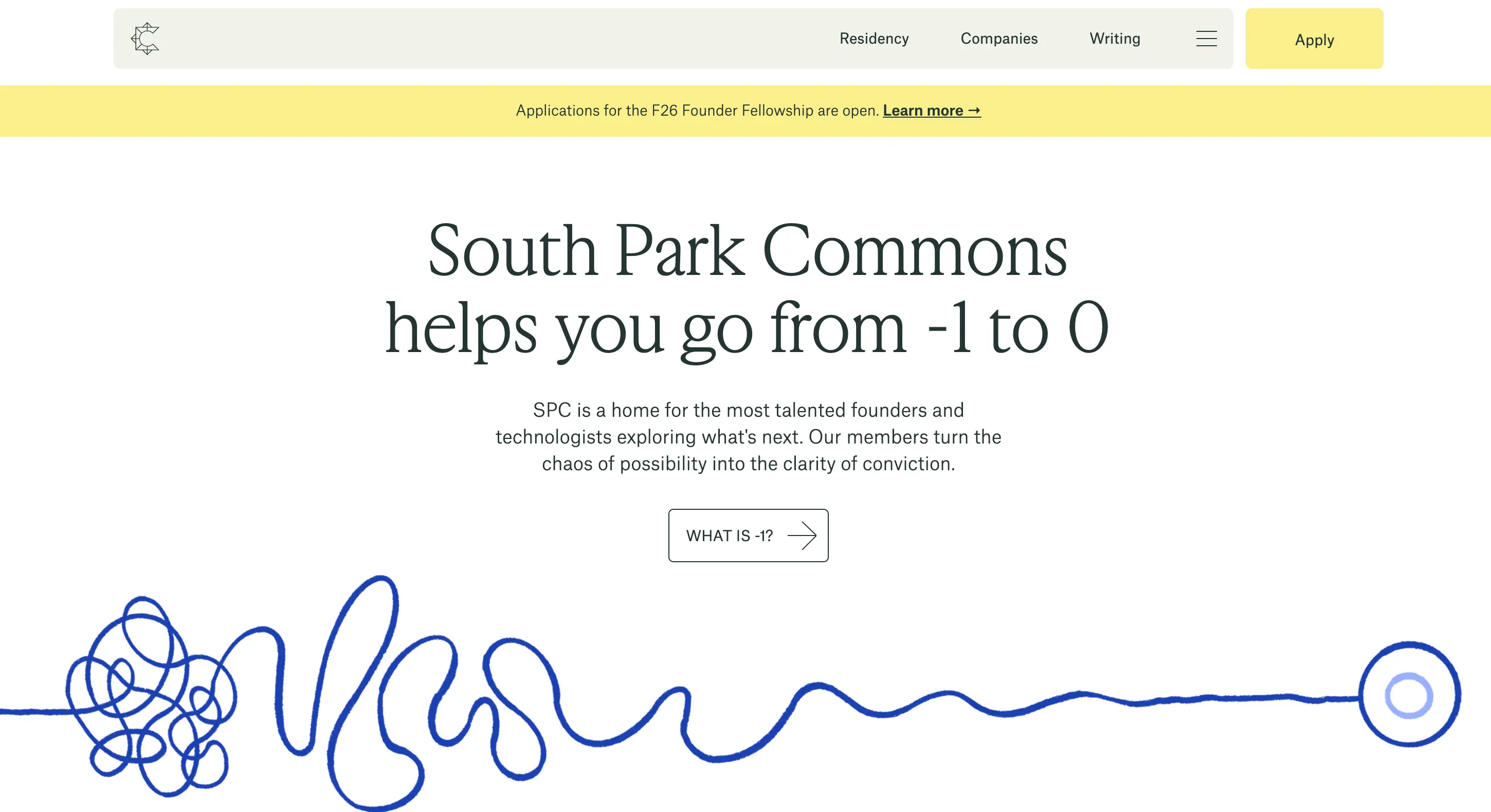
6. South Park Commons
Program Snapshot
- HQ: San Francisco, California
- Stage Focus: Pre-company (the -1 to 0 phase)
- Sector Focus: Generalist, with particular depth in deep tech, AI, and technical founders
- Deal Terms: Membership-based community (no equity for membership). SPC Fund invests in alumni companies on a separate basis.
- Program Format: Ongoing coworking community with mentorship, events, and peer support
South Park Commons is different from every other Speedrun alternative on this list. It is not an accelerator. There is no cohort, no demo day, and no curriculum to complete. It is a community of founders who are in the phase before any of that, figuring out what to build, who to build it with, and whether they have the conviction to go all in.
The value is in the density of the people and the lack of pressure. SPC deliberately attracts founders who have left strong jobs at top companies, researchers exploring commercial applications of their work, and repeat founders between companies. The coworking environment and regular programming create the conditions for idea development and cofounder discovery without forcing any particular outcome.
If you have a strong professional background and know you want to build something but aren't yet sure what that is, SPC is one of the best places to spend three to six months. As they put it themselves, they’ll get you from -1 to 0.
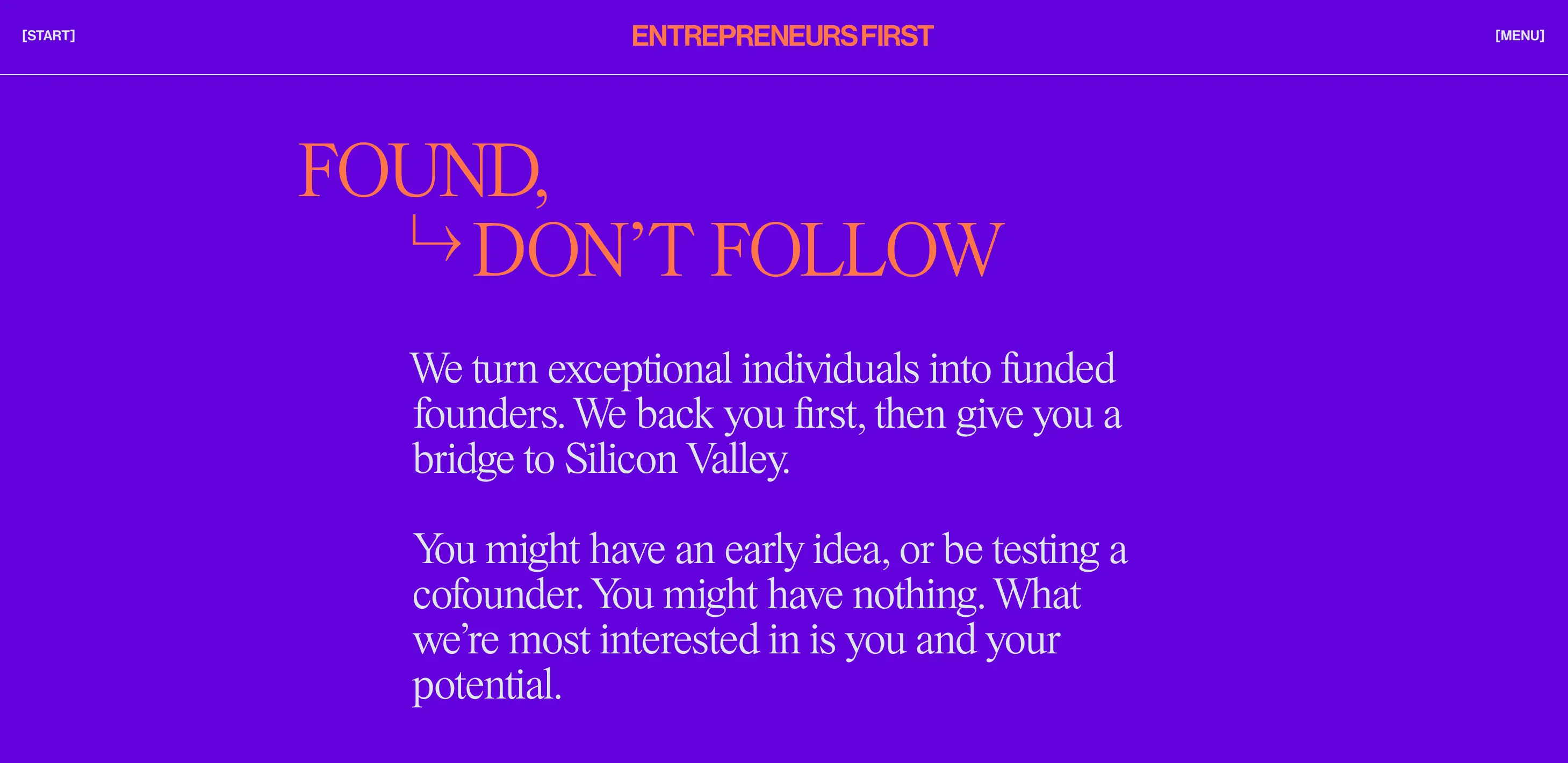
7. Entrepreneurs First
Program Snapshot
- HQ: San Francisco, California (US program); also operating in London, Europe, and Bangalore
- Stage Focus: Pre-company
- Sector Focus: Generalist, with focus on deep tech, robotics, and technical hard challenges
- Deal Terms (Full Program): $125,000 via post-money SAFE for 8% equity + $125,000 via uncapped MFN SAFE = up to $250,000 total
- Deal Terms (Fellowship): $10,000 equity-free grant
- Program Format: 3-month residential program in San Francisco. Full-time commitment required.
Entrepreneurs First backs individuals before they have a cofounder, a company, or a fully formed idea. That is the explicit mandate. EF's thesis is that exceptional founders exist before exceptional companies, and that the right program can help them find each other and figure out what to build together.
The residential format is central to how this works. Founders live alongside each other in San Francisco for three months, which creates the conditions for cofounder matching through genuine proximity rather than algorithmic suggestion. EF partners provide one-on-one coaching throughout, helping founders pressure-test ideas, sharpen their thinking, and prepare for the demo day where they pitch to EF's network of top-tier US investors.
For founders who know they want to build but haven't yet found the right cofounder or the right problem, EF is one of the few programs designed specifically for that situation. Most accelerators require you to show up with a team and an idea. EF inverts that.
What you sacrifice with EF is dilution. Eight percent for $125,000 is more equity per dollar than most programs on this list. But if you're at the stage where you need structured support to find your cofounder and validate your starting point, the alternatives are mostly doing it alone or waiting until you have something more developed.
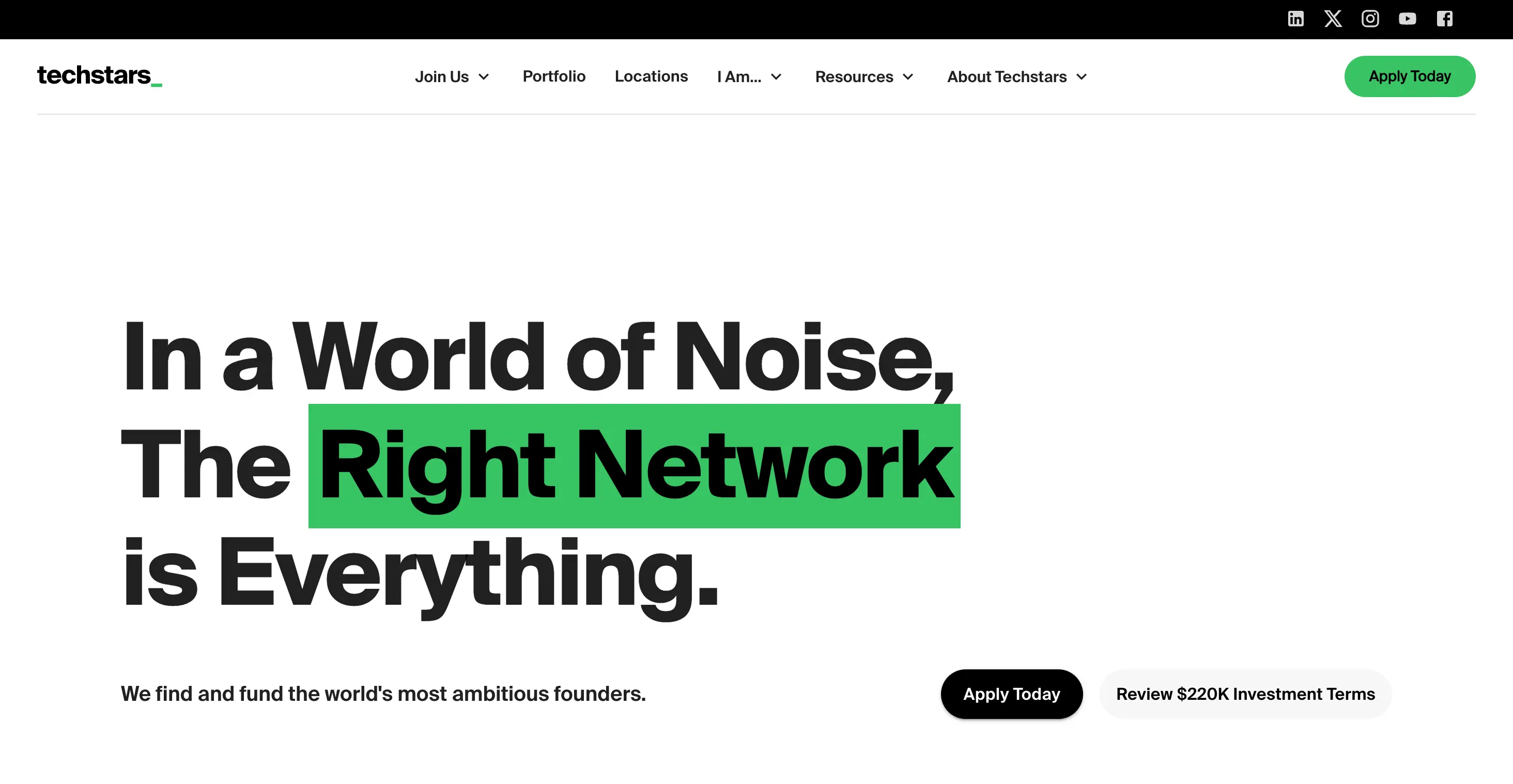
8. Techstars
Program Snapshot
- HQ: Boulder, Colorado (with global programs across 20+ cities)
- Stage Focus: Pre-seed to Seed
- Sector Focus: Generalist and industry/corporate-sponsored programs
- Deal Terms: $20,000 for 5% equity (Post-Money Convertible Equity Agreement) + $200,000 uncapped MFN SAFE = $220,000 total
- Program Format: 3-month mentorship-driven accelerator
Techstars is the largest accelerator network in the world by number of programs and geographic reach. From NYC to SF, and Amsterdam to Tokyo. That scale is both its greatest asset and something worth understanding clearly before applying.
Techstars alumni companies have raised over $30 billion in total and are valued at more than $120 billion collectively. Twenty-one of those companies have become unicorns. The mentorship model, which connects founders with experienced operators and investors specific to each program's focus area, is the core of the experience.
What makes Techstars particularly valuable for certain founders is the industry-specific and corporate-sponsored track structure. Programs focused on fintech, health, sustainability, defense, and other sectors give founders access to networks that a generalist accelerator simply can't replicate.
The investment terms are worth reading carefully. The $20,000 CEA is in common equity, which means Techstars sits alongside founders rather than ahead of them in a liquidation waterfall. That is an intentional structural choice and genuinely founder-friendly relative to how some investors structure early checks.
If you are building outside the major startup hubs or building in an industry where Techstars has a specialized program, the network access and mentorship density can be more important than a larger check from a generalist accelerator.
We have another blog on Techstars alternatives if you want to learn more about that program and its most similar accelerators.
9. Greylock Edge
Program Snapshot
- HQ : San Francisco, California, USA
- Stage Focus : Pre-idea to Seed
- Sector Focus : AI-first companies; enterprise software, agentic systems, dev tooling
- Deal Terms : Fully flexible financing (terms negotiated individually; Greylock invests from a $1 billion fund)
- Program Format : 3-month company-building program with direct partner access
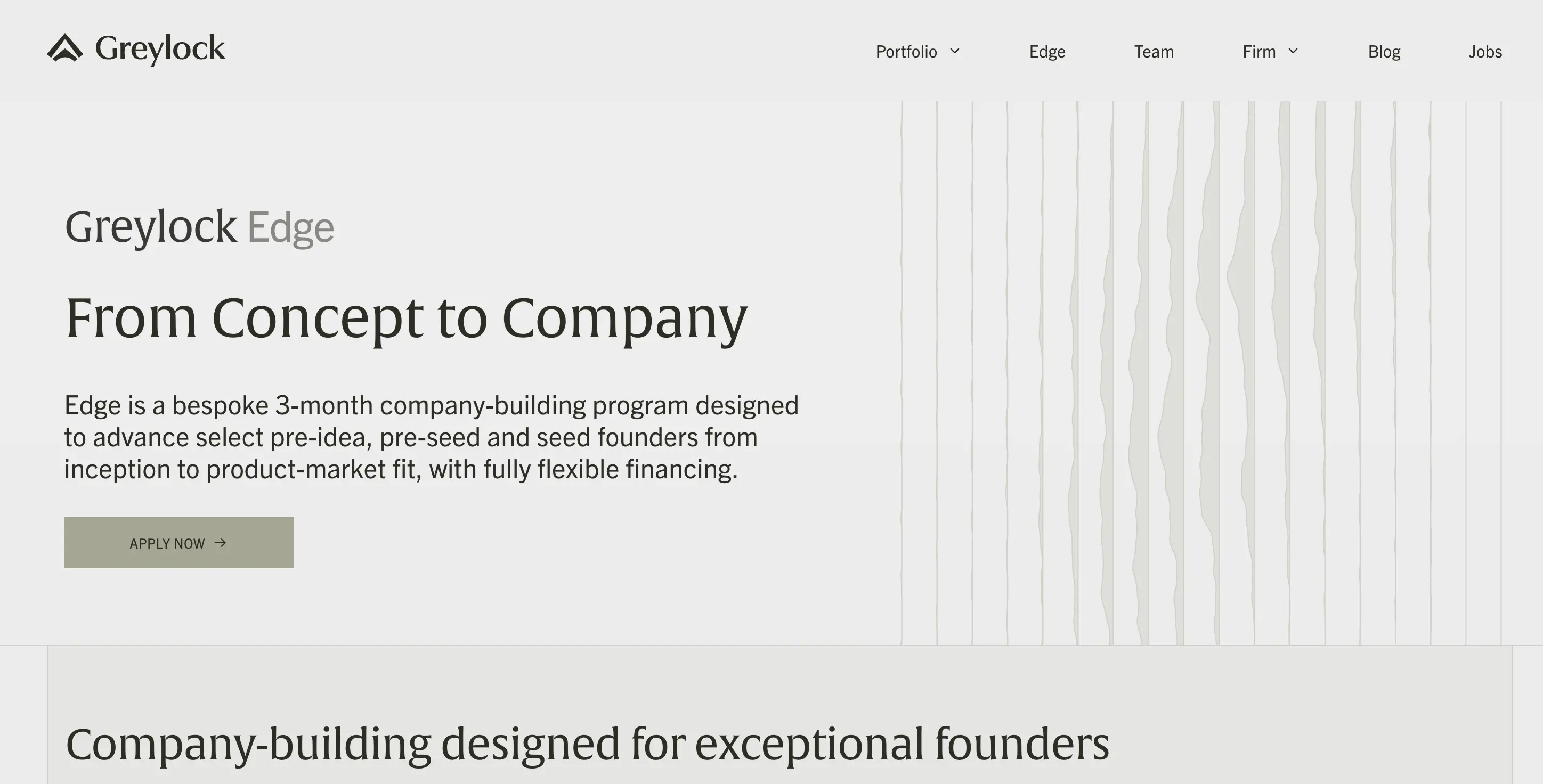
Greylock Edge is a bespoke program, which means the terms, structure, and support are customized to each founder. There are no published standard terms.
What Greylock publishes instead is a detailed list of the problem spaces its partners are actively thinking about, from agentic frameworks for IT workflows to AI-native data platforms to vertical voice agents for offline industries. If you're building in one of those areas, Edge gives you direct access to the Greylock partner with the deepest domain knowledge there.
The firm closed a $1 billion fund recently alongside the Edge launch, with capital explicitly allocated for earliest-stage investments.
Edge is worth attention if you're building in the AI infra or enterprise SaaS space and want to engage with Greylock's network early. The program is small and selective. Because terms are fully flexible, you'll have a genuine conversation about what the right structure is for your specific situation.
10. Berkeley SkyDeck
Program Snapshot
- HQ: Berkeley, California
- Stage Focus: Pre-seed to Seed
- Sector Focus: Generalist, with particular strength in deep tech, biotech, and hardware
- Deal Terms: $210,000 for 7.5% equity
- Program Format: 6-month accelerator with access to UC Berkeley's research, faculty, and student talent pipeline
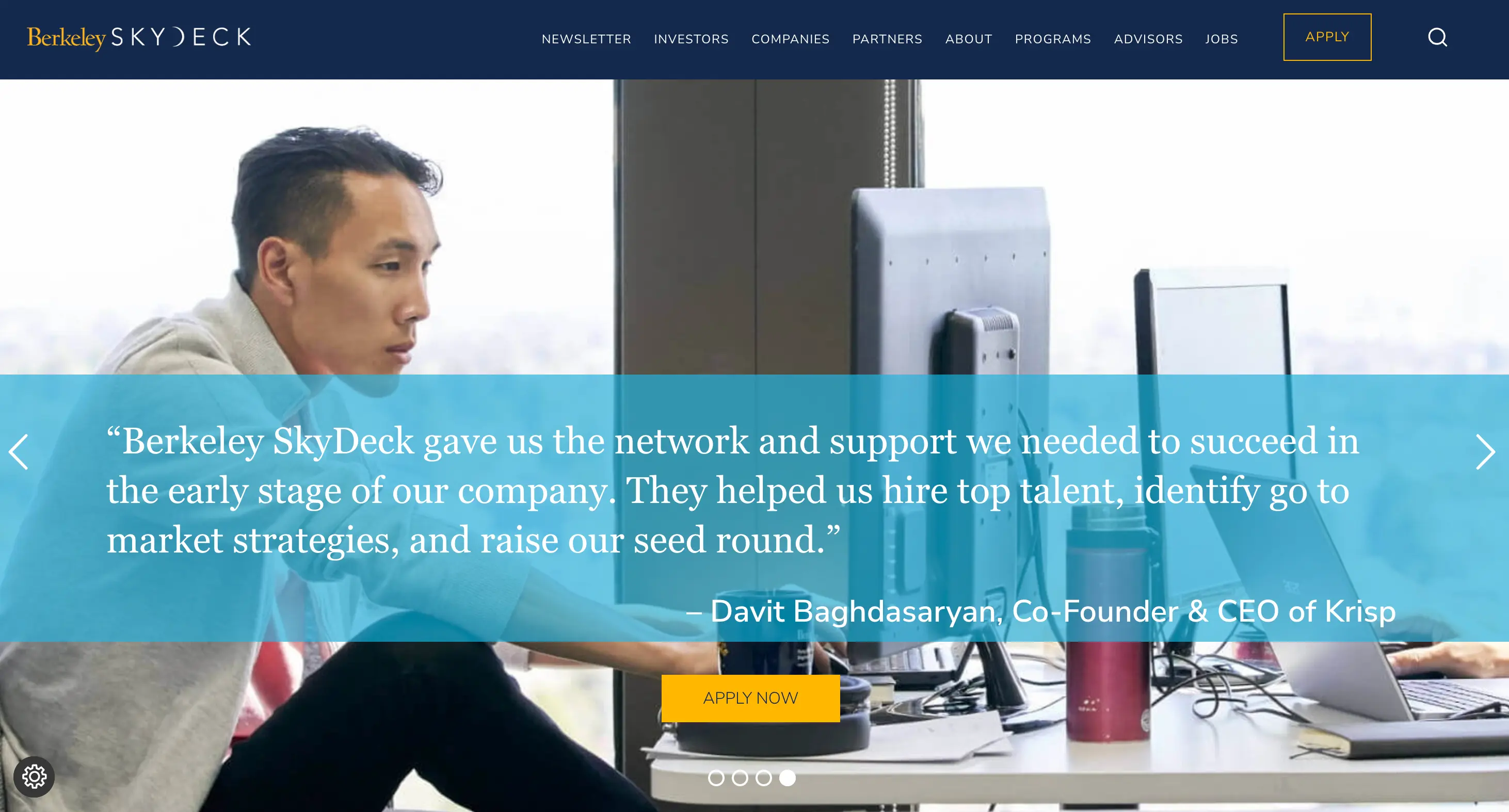
Berkeley SkyDeck is a university-backed accelerator, and the UC Berkeley connection is the core of its differentiation. Access to Berkeley's research ecosystem, faculty expertise, and graduate student talent pipeline gives SkyDeck a distinct advantage in sectors where technical depth and scientific credibility matter.
The SkyDeck Fund has invested in 130+ startups over the past four years with a combined market value of over $3.1 billion. The acceptance process is competitive, and the six-month program is more intensive than many programs in the same tier.
For founders building in deep tech, life sciences, hardware, or any space where proximity to Berkeley's research infrastructure creates a genuine advantage, SkyDeck is one of the top programs available.
Honorable Mentions
These other accelerators are worth knowing about, but they didn't quite make our top 10 because they're more specialized or serve a narrower audience.
AI Grant: AI Grant may be the better opportunity for a small number of deeply technical AI founders, especially those who would find a broad accelerator curriculum distracting. The program has moved toward backing AI products, with access to people who understand the technology well enough to challenge the product itself, not only the pitch. The catch is that its relevance drops quickly once you move outside frontier AI, which makes it unusually valuable for the right founder and largely irrelevant for everyone else.
Antler: Antler makes the most sense before you are ready for Speedrun. It is willing to work with founders while the team, idea, and market are still taking shape, which can save months of circling around a weak concept alone. I would consider it when you need pressure, potential cofounders, and a reason to commit full time, not when you already have a strong team and meaningful traction.
500 Global: I suspect 500 Global is more useful than its current Silicon Valley mindshare suggests. It has spent years working with founders who cannot assume their first customers, investors, or hires will come from one concentrated US network. Its four month flagship program also leans heavily into growth and scaling, so I would take it especially seriously when distribution is the unresolved problem and the company already has enough product to distribute.
Creative Destruction Lab: CDL is one of the few programs where “build faster” does not mean shipping another product iteration next Friday. For science and deep technology companies, progress may mean proving a technical milestone, navigating regulation, or finding a commercial use for years of research. CDL structures the program around specific eight week objectives and brings scientists, operators, and investors into the same conversation.
MassChallenge: The zero equity model sounds automatically founder friendly, but I would not choose MassChallenge on that fact alone. Giving up no ownership matters only when the program can still provide the customers, industry access, or technical validation your company needs. For a founder in one of those sectors, MassChallenge may offer a more useful room than a more prestigious generalist accelerator.
Comparing Accelerators Is Harder Than It Looks
After you spend a few hours reading accelerator program websites, they start to sound identical. Every accelerator promises world-class mentorship, unparalleled networks, and hands-on support. The marketing language converges.
The real differences show up in the details. Cohort size determines how much partner time you actually get. Deal structure determines what you're actually giving up. Sector focus determines whether the network is useful to you specifically. Stage fit determines whether you're ready for what the program demands.
Here we shared some of the most prominent competitors to A16Z Speedrun. One thing I wouldn't do is treat them as interchangeable. It's tempting to optimize for the biggest brand name, but that ignores why these programs exist in the first place. The best founders I've spoken with usually have a clear reason for applying to a particular accelerator, not just a long list of applications.
The best approach is to build a shortlist based on fit rather than reputation. Ask yourself where you are in your journey, what kind of support would actually move the needle for you, and which programs have backed companies similar to yours.


![12 Best Startup Financial Model Templates [Free & Paid]](https://d1pnnwteuly8z3.cloudfront.net/images/177302d9-3657-45b7-ac9d-acf801d83a74/019fadd2-2388-77a4-a43e-6c44f536d546.jpg)
![15 Best Techstars Alternatives for Early-Stage Startups [2026]](https://d1pnnwteuly8z3.cloudfront.net/images/177302d9-3657-45b7-ac9d-acf801d83a74/019f82b4-0972-7d17-96aa-c5aebe2711af.jpg)
![17 Best YC Alternatives for Early-Stage Startups [2026]](https://d1pnnwteuly8z3.cloudfront.net/images/177302d9-3657-45b7-ac9d-acf801d83a74/019faa68-e459-7e31-9f51-fd43c0d5a9ca.jpg)