Techstars is a mentorship-first accelerator built around relationships, coachability, and founder development. The right alternative depends on what your startup actually needs next: deeper partner access, a larger alumni network, technical community, or long-term VC partnership. This guide breaks down the best Techstars alternatives with program snapshots, founder experience comparisons, and a simple framework for choosing.
Techstars is one of the most recognized accelerator brands in the world. But recognition isn't the same as fit.
I often see founders evaluating accelerators the wrong way. They are comparing equity percentages, program length, and investment amounts as if those are the only variables that determine the outcome. What actually matters most is whether the program solves the core problem your company faces right now.
This guide starts with a clear picture of what Techstars actually is, so you can decide whether an alternative makes more sense for your stage, your team, and what you're trying to build.
Table of Contents
Before Looking at Alternatives: What Makes Techstars Different
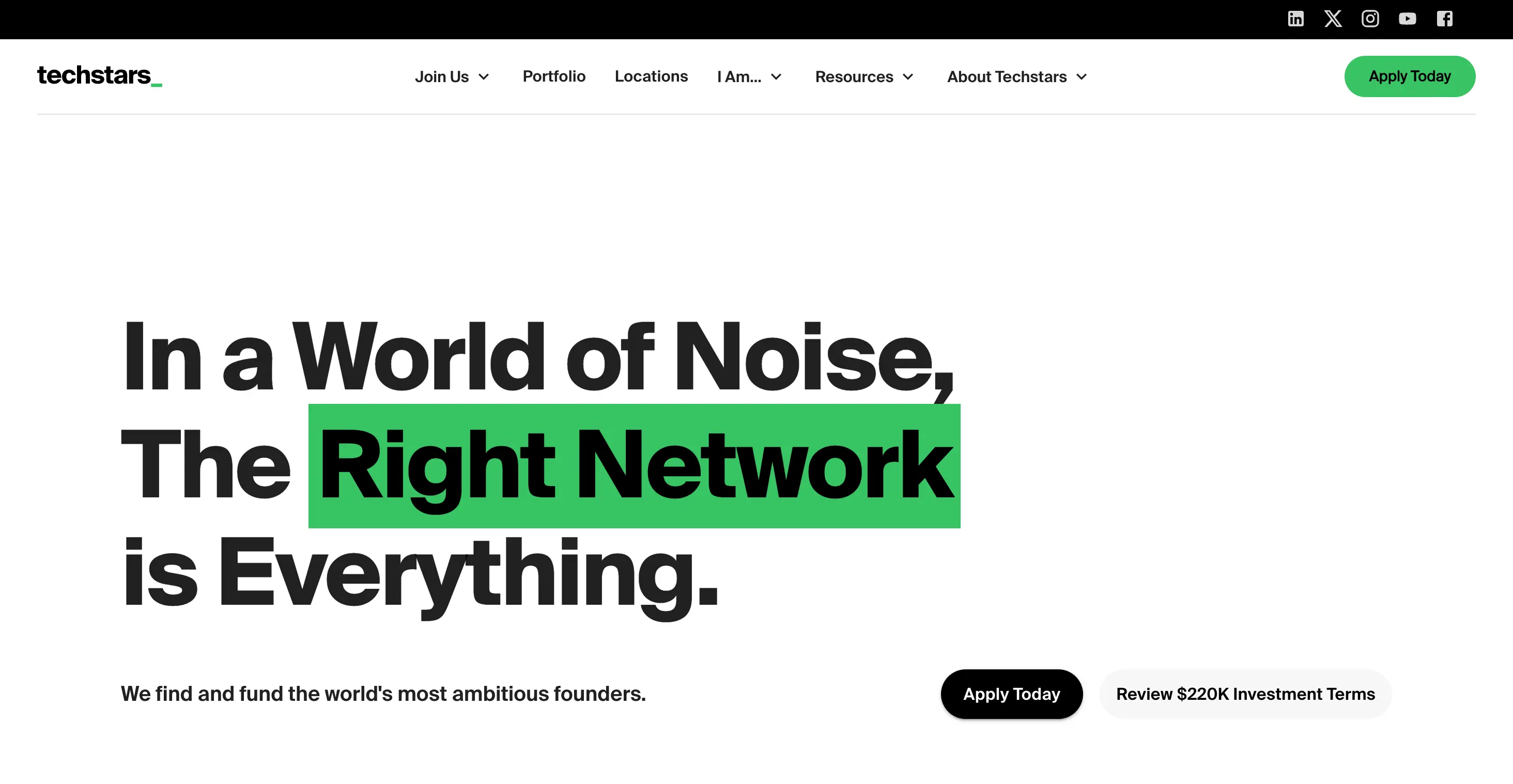
Techstars is a mentorship-first accelerator
If Y Combinator is known for "Build something people want," Techstars is better described as "Build your company alongside people who've done it before."
That's the core identity. Techstars isn't competing on the size of its check. It's leading with the depth of its mentor network and the quality of relationships it builds around your company.
Founders who've attended often describe the biggest value as something you can't put in a program snapshot: constant access to experienced operators who've already faced the exact problems you're about to encounter. Not in a classroom. In real conversations, with real feedback, during the weeks when you most need it.
Program Snapshot
- HQ: Boulder, Colorado, USA (with global programs across 30+ cities)
- Stage Focus: Pre-seed to Seed
- Sector Focus: Generalist and industry/corporate-sponsored programs
- Deal Terms: $20,000 for 5% equity (Post-Money Convertible Equity Agreement) + $200,000 uncapped MFN SAFE = $220,000 total
- Program Format: 3-month accelerator
Techstars is a network of accelerators
This is an insight most founders miss when evaluating Techstars.
Every Techstars program has a different Managing Director, a different mentor pool, a different corporate partner (in some cases), and a different local startup ecosystem. The experience in Boulder is not the experience in NYC.
That means choosing the right Techstars program is almost as important as getting accepted. A program in your city with a Managing Director who has deep experience in your sector is worth far more than a prestigious-sounding program in a city where you have no relationships and the MD operates outside your industry.
Techstars optimizes for coachability
During interviews, Techstars pays close attention to how founders respond to feedback. Are they defensive? Do they debate every observation? Or do they absorb input quickly, update their thinking, and ask better questions?
The reason is logical. Iif mentorship is your biggest product, coachability becomes one of your most important selection criteria. A founder who rejects every piece of advice makes the mentorship model worthless for everyone involved, themselves most of all.
Who should apply to Techstars?
Choose Techstars if you:
- Want structured mentorship from experienced operators
- Value long-term relationships and investor introductions over program size
- Are building a VC-fundable startup and want a global network behind you
- Are genuinely open to feedback, even when it's uncomfortable
You might consider alternatives if you:
- Already have a strong investor network and don't need warm introductions
- Want a larger or more standardized alumni community
- Are building a lifestyle business or don't intend to raise venture capital
- Prefer a less structured, more autonomous environment
The 10 Best Techstars Alternatives
1. Y Combinator
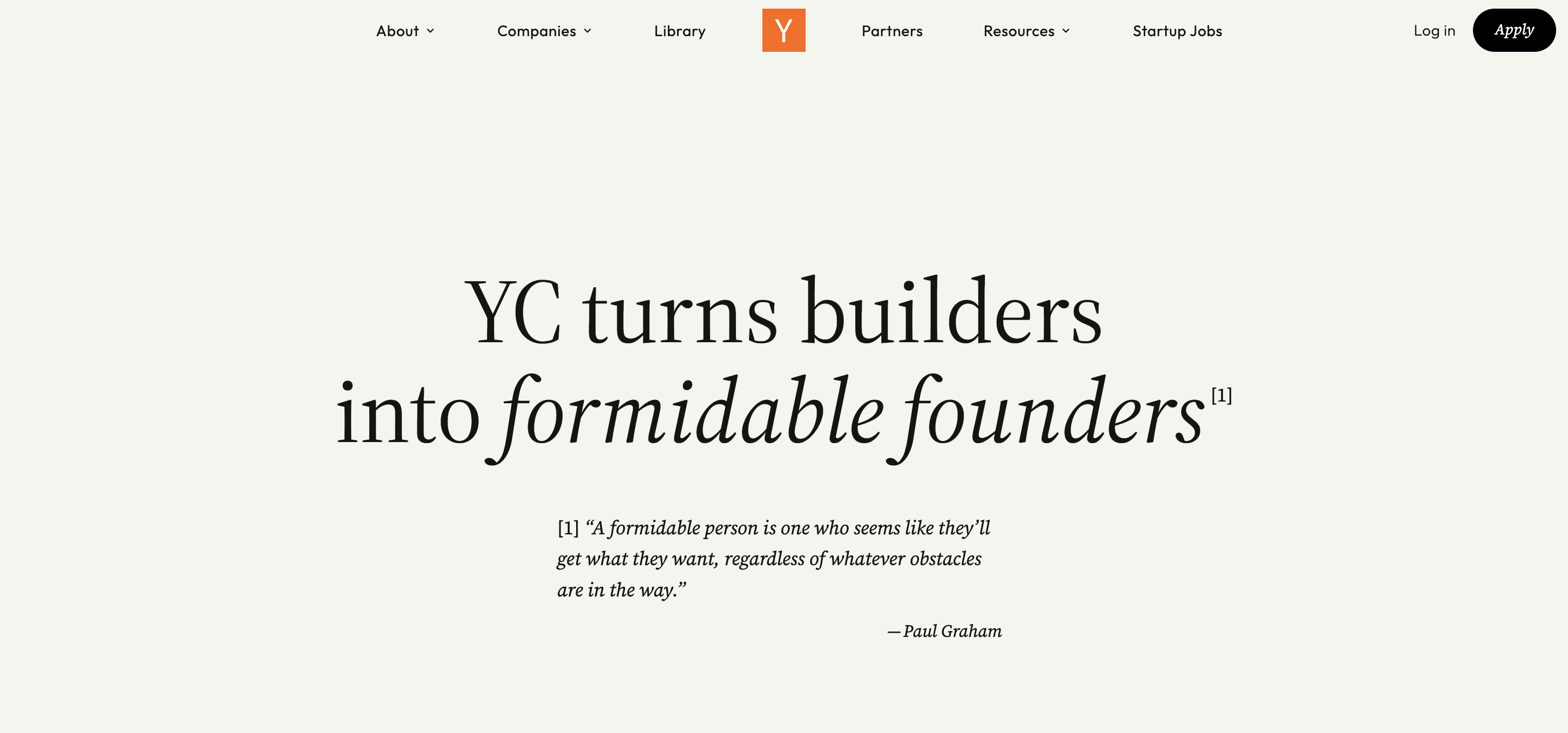
Program Snapshot
- HQ: San Francisco, California
- Stage Focus: Pre-seed to Seed
- Sector Focus: Generalist
- Investment: $500K ($125K for 7% equity + $375K SAFE)
- Program: 3-month accelerator
- Visit Y-Combinator
Whenever founders compare accelerators, the conversation almost always starts with Y Combinator. That's understandable. YC is still the benchmark against which almost every other startup accelerator is measured.
Interestingly, though, I don't think YC and Techstars are competing on exactly the same thing.
YC has built the largest startup alumni network in the world. The brand is incredibly strong, Demo Day attracts some of the world's best investors, and simply joining the program signals that your company has cleared one of the highest bars in venture.
But bigger networks naturally come with less individual attention.
Today's YC batches include hundreds of startups. That's fantastic for meeting founders, sharing ideas, and building long-term relationships, but it also means partner time is necessarily limited.
Techstars makes almost the opposite tradeoff.
Its programs are much smaller, mentor interactions tend to be more frequent, and founders often leave talking less about Demo Day and more about the relationships they built over the previous three months.
Neither approach is objectively better. They're simply solving different founder problems.
If your biggest bottleneck is building one of the strongest startup networks in the world, I'd lean toward YC. If your biggest bottleneck is wanting experienced operators in your corner every week as you make difficult company-building decisions, I'd probably lean toward Techstars.
We have another blog breaking down similar accelerators to YC, be sure to check it out.
2. PearX
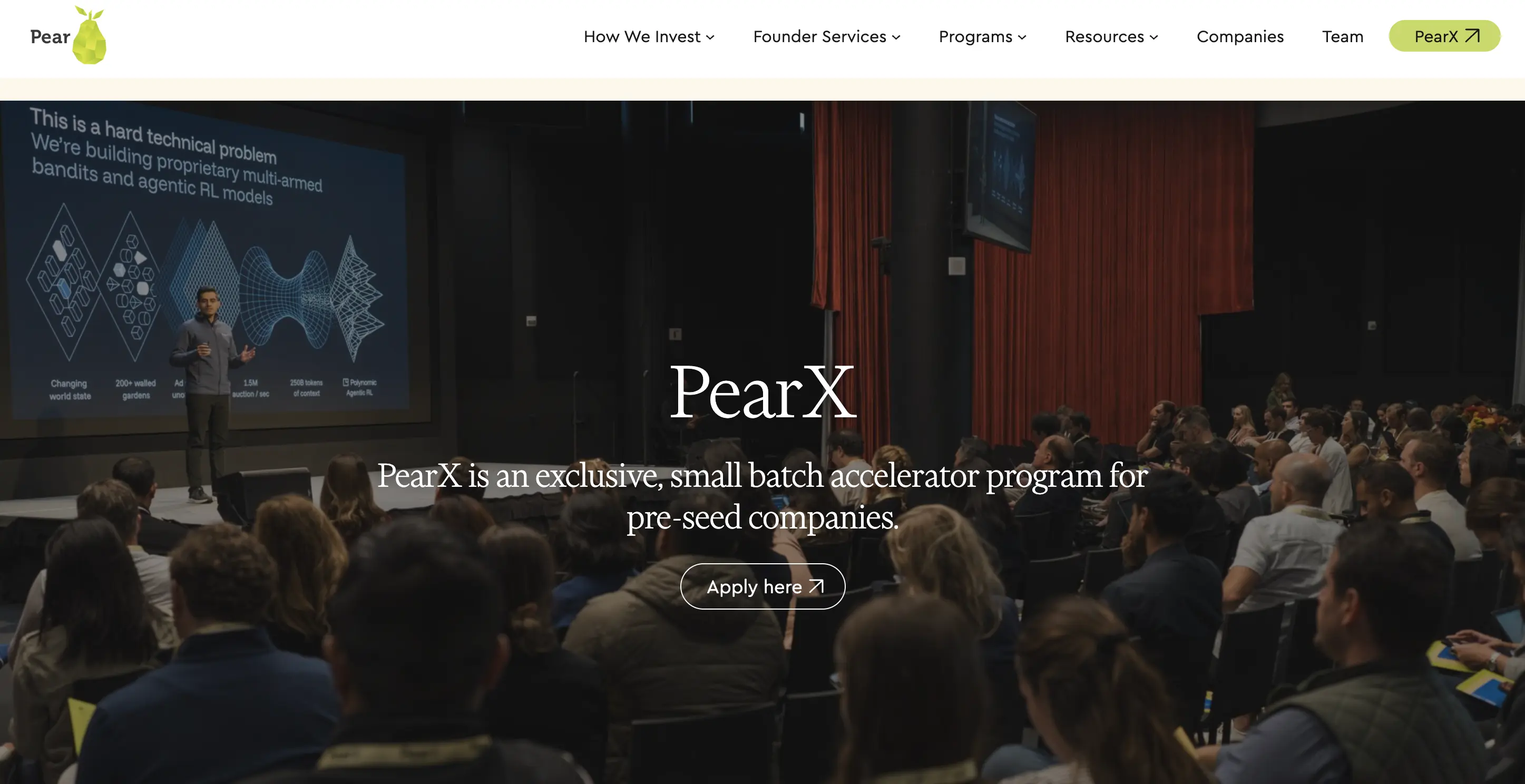
Program Snapshot
- HQ: Palo Alto / Menlo Park, California
- Stage Focus: Pre-seed
- Sector Focus: Generalist (strong AI focus in recent cohorts)
- Deal Terms: $250,000–$2,000,000 + $1M+ in cloud credits
- Program Format: 12-week program, small cohort
- Visit PearX
PearX is Pear VC's accelerator program, and it runs differently from almost everything else on this list.
Instead of building one of the world's largest startup communities, Pear focuses on keeping cohorts intentionally small and working closely with founders during the earliest stages of company building.
In many ways, Pear feels less like attending an accelerator and more like adding another experienced member to your founding team for three months.
Of course, there are tradeoffs.
Pear doesn't have Techstars' global mentor network or its alumni footprint. If your primary goal is maximizing introductions across the startup ecosystem, Techstars still has a clear advantage.
But not every founder is looking for breadth.
Some founders would rather have three people who understand every detail of their business than fifty mentors who each know a small piece of it. That's really how I'd think about the decision between Pear and Techstars.
Choose Techstars if you want to plug into one of the world's largest startup communities.
Go with Pear if what you really want is a small group of investors who spend an enormous amount of time helping you build the business before your next fundraise.
3. Neo
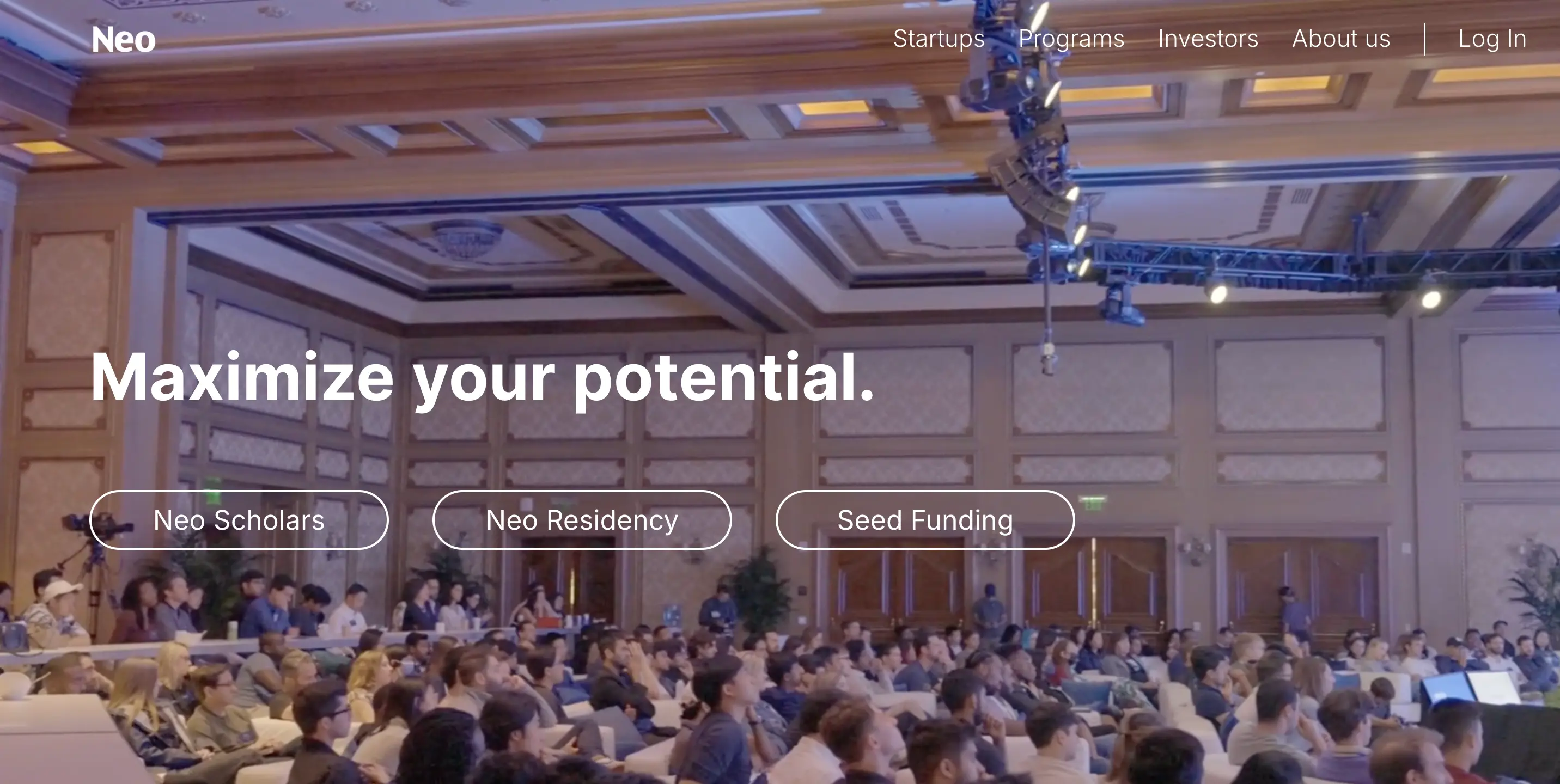
Program Snapshot
- HQ: San Francisco, California
- Stage Focus: Pre-seed to Seed
- Sector Focus: Technical / Generalist
- Deal Terms: $750k uncapped SAFE, variable equity
- Program Format: 3-month residency + Oregon retreat
- Visit Neo
Neo describes itself as harder to get into than Harvard. That's a PR line, but the underlying point is legitimate. It's genuinely selective, and the community it's built reflects that.
Since 2017, Neo has funded 275 companies now valued at over $220 billion, according to their website. Their robust portfolio includes companies like Cursor, Cognition, and Chai Discovery.
Neo Residency backs technical founders at the pre-seed and seed stages through a program that combines funding, San Francisco workspace, an Oregon bootcamp, and access to a mentor network drawn from industry leaders and tech veterans.
Interestingly, you'll occasionally hear founders compare Neo to what they imagine "early YC" felt like before batches became so large. Whether that's fair or not, it reflects how people perceive the experience: smaller, more personal, and intentionally selective.
4. HF0

Program Snapshot
- HQ: San Francisco, California
- Stage Focus: Pre-seed to early Seed
- Sector Focus: Technical founders
- Investment: Up to $1M for 5% equity
- Program Format: 12-week residential accelerator
- Visit HF0
HF0 has one of the most distinctive philosophies of any accelerator on this list.
Where Techstars believes startups grow faster through mentorship and relationships, HF0 believes they grow faster by putting exceptional builders in the same room and removing every possible distraction.
That's why people often describe it as a "hacker house" or "hacker monastery."
For twelve weeks, founders live and build together in San Francisco. There are no competing priorities, no conference circuit, and very little emphasis on startup theater. The entire environment is designed around one objective: shipping product.
That naturally creates a very different founder experience than Techstars.
Techstars exposes you to an enormous network of mentors, operators, and investors. HF0 intentionally keeps its cohorts tiny and relies much more heavily on peer learning. You're spending as much time learning from the founders sitting next to you as you are from formal mentors.
5. a16z Speedrun
Program Snapshot
- HQ: San Francisco, California
- Stage Focus: Pre-seed to Seed
- Sector Focus: Generalist (AI / technology focus)
- Deal Terms: Up to $1,000,000 ($500,000 for 10% SAFE upfront + $500,000 follow-on within 18 months)
- Program Format: 12-week in-person program, 60–70 teams per cohort
- Visit speedrun
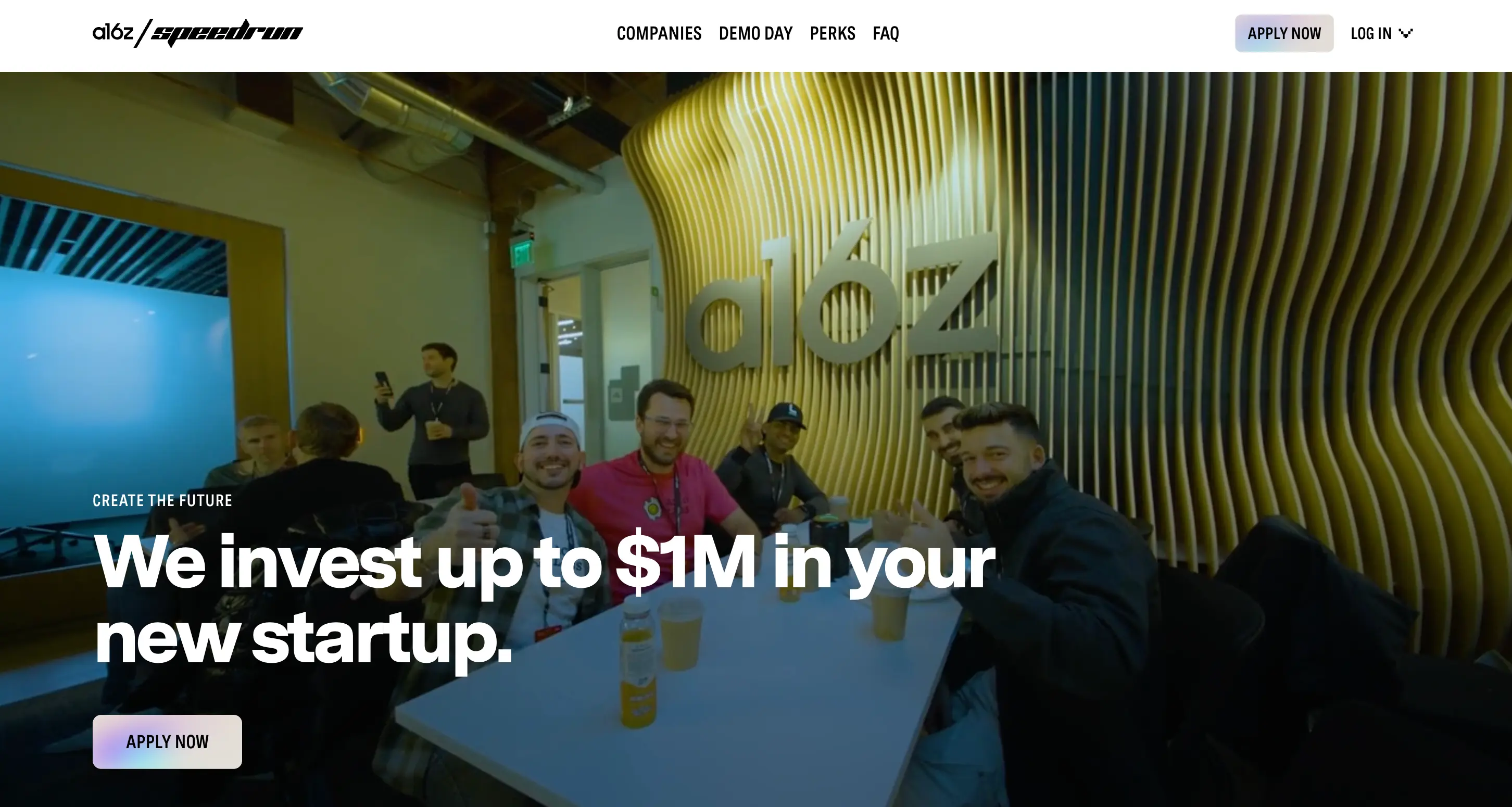
Andreessen Horowitz launched Speedrun in 2023, and it's scaled quickly, deploying more than $200M to fund over 300 companies across its first six cohorts.
The experience is operator-heavy. The 12-week SF program runs founders through modules on go-to-market strategy, customer acquisition, fundraising, team building, and enterprise sales. It's designed to create momentum, not teach startup fundamentals.
Speedrun accepts founders from around the world and runs two cohorts per year. The acceptance rate is below 0.4%, which more selective than most programs on this list.
Compared to Techstars, the conversations also tend to be more execution-focused.
You're spending less time exploring possibilities and more time pressure-testing assumptions, refining go-to-market strategy, and preparing for rapid growth.
If you're still searching for product-market fit and want broad guidance from experienced founders, I'd probably lean toward Techstars.
If you've already found direction and simply want to accelerate, Speedrun becomes a very compelling alternative.
We also have a list of more accelerator programs like Speedrun
6. Sequoia Arc
Program Snapshot
- HQ: San Francisco, California / New York (US and European cohorts)
- Stage Focus: Pre-seed to Seed
- Sector Focus: Generalist
- Deal Terms: Variable and company-specific (no standard terms)
- Program Format: Bi-annual open call + 4-day Arc Intensive for Sequoia portfolio companies (~10 companies per cohort)
- Visit Sequoia Arc
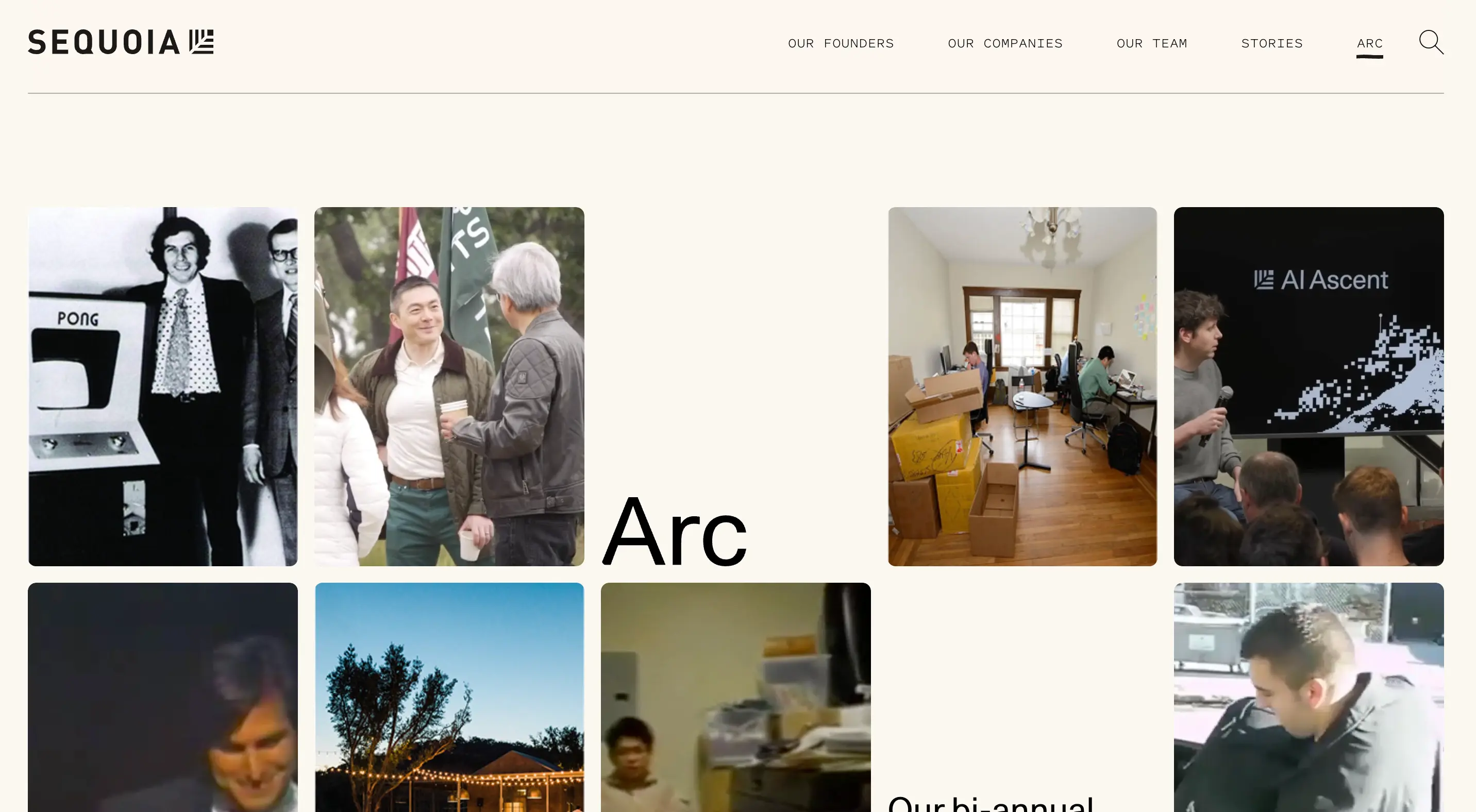
Arc is Sequoia's bi-annual open call for pre-seed and seed-stage founders. But calling it an accelerator misses what it actually is.
Most accelerators are designed around a three-month transformation. You join a cohort, work through structured programming, pitch investors at Demo Day, and continue building afterward.
Arc feels much less transactional.
The intensive itself is relatively short, but that's almost beside the point. The real value is gaining early access to Sequoia's partners, operating resources, and broader company-building ecosystem. In many ways, the accelerator is simply the start of a much longer journey.
That also means Sequoia evaluates founders a little differently.
Techstars still has a clear advantage if your goal is maximizing mentor exposure and joining a large founder community,
Sequoia Arc has an edge over most accelerators if you're looking for a long-term partner capable of supporting your company from pre-seed through IPO.
7. Berkeley SkyDeck
Program Snapshot
- HQ: Berkeley, California
- Stage Focus: Pre-seed to Seed
- Sector Focus: Generalist (all verticals)
- Deal Terms: $210,000 investment (20–25 cohort teams)
- Program Format: 6-month accelerator, held twice per year
- Visit SkyDeck
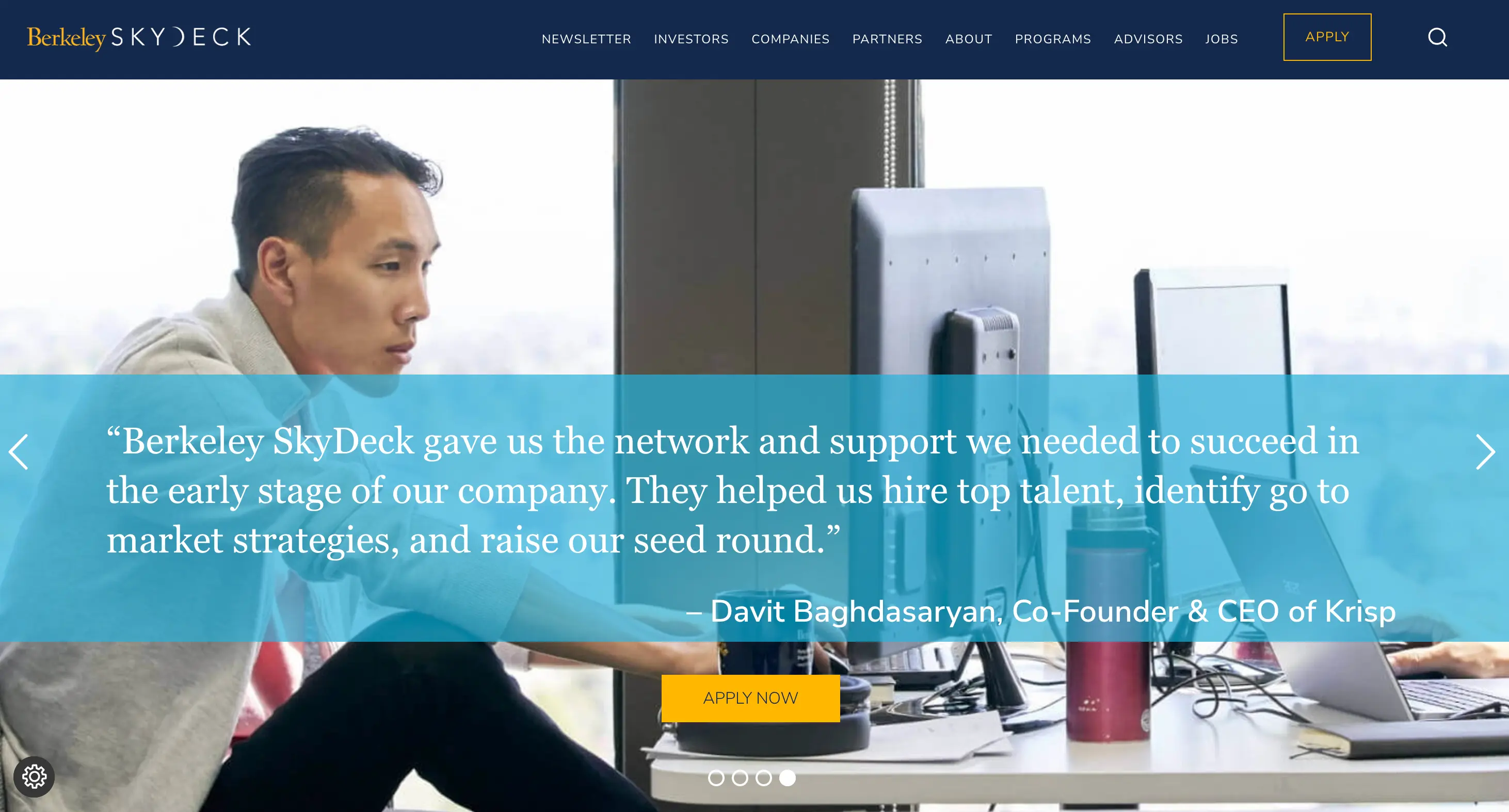
Berkeley SkyDeck is UC Berkeley's official startup accelerator, and the university connection is the point.
The program invests $200,000 for 7.5% equity, typically structured as a SAFE. Each cohort accepts 20–25 startups for a six-month program, culminating in a Demo Day pitched to 900+ investors. Every team gets a dedicated Lead Advisor and participates in mandatory sessions throughout.
Berkeley SkyDeck appeals to a different type of founder than many of the accelerators on this list.
What separates SkyDeck from a generic accelerator is access. You’ll get world-class research labs, faculty experts, and Berkeley's student talent pool for early hiring. In 2026, SkyDeck also launched the second year of the Mayfield AI Garage in partnership with UC Berkeley's College of Computing, Data Science, and Society. offering compute credits, legal support, and mentorship to current students and recent alumni.
While Techstars built its reputation around mentorship and founder relationships, SkyDeck benefits from being deeply embedded in one of the world's leading engineering and research universities. For founders building AI, robotics, climate tech, biotech, or other technically ambitious companies, those connections can be just as valuable as investor introductions.
8. 500 Global
Program Snapshot
- HQ: San Francisco, California
- Stage Focus: Seed
- Sector Focus: Generalist (global focus)
- Deal Terms: $150,000 for 6% equity stake
- Program Format: 4-month in-person program
- Visit 500 Global
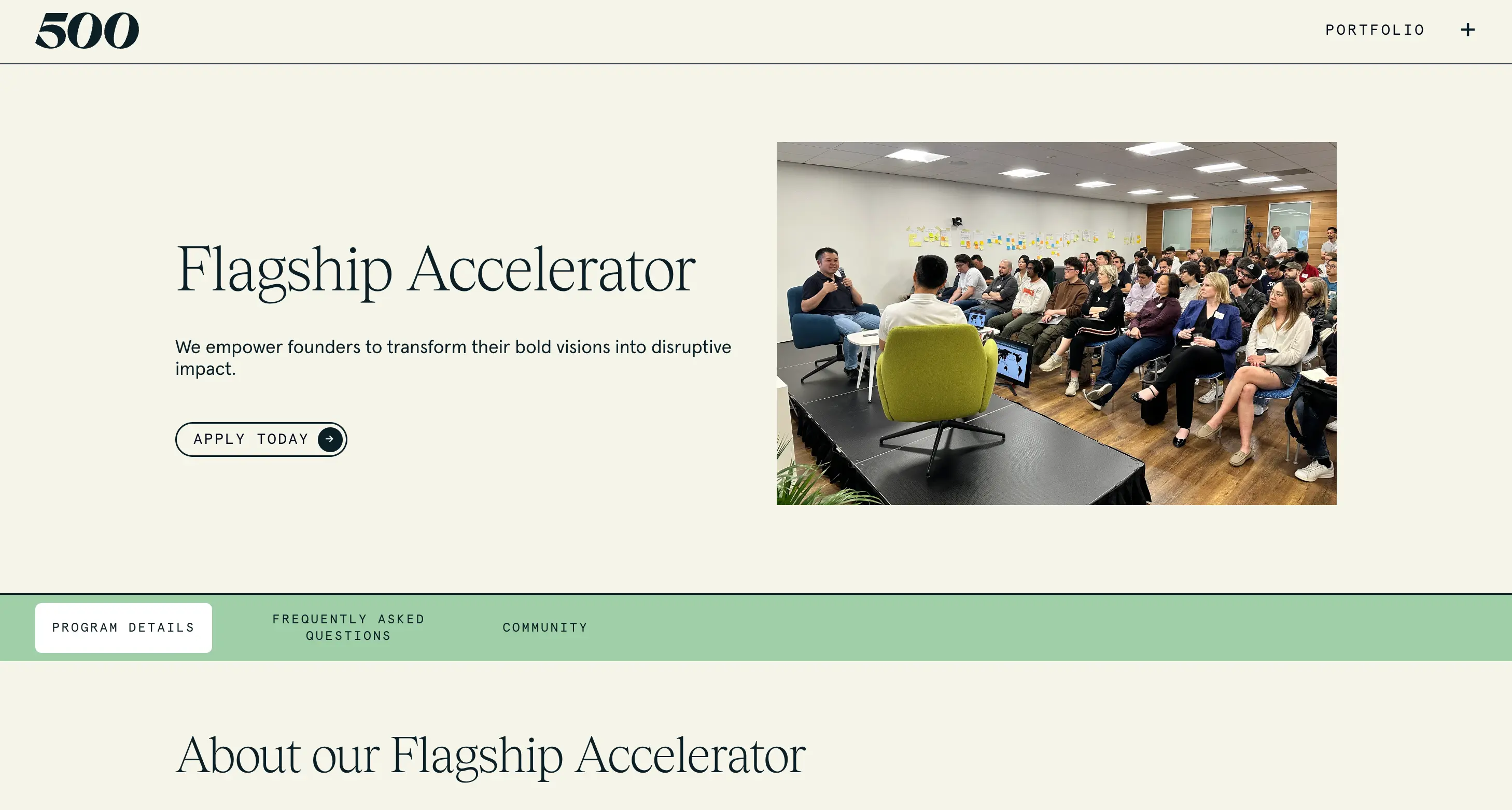
500 Global has spent more than a decade building a reputation around helping founders grow.
That's reflected throughout their Flagship Accelerator. While every accelerator covers fundraising and product development to some extent, 500 puts a noticeable emphasis on customer acquisition, go to market strategy, pricing, sales, and building repeatable growth systems. Alumni frequently describe the program as practical and execution focused, with mentors constantly pushing founders to validate assumptions, measure results, and iterate quickly.
Another characteristic that sets 500 apart is its global perspective. The portfolio spans dozens of countries, and many founders say the community feels far more international than most Silicon Valley accelerators. That becomes especially valuable if you're building outside the United States or expect international expansion to play a meaningful role in your business.
One thing I found interesting while reading founder experiences is that many alumni talk less about the fundraising process and more about how the program changed the way they operated. They leave with a stronger cadence for running experiments, making decisions from data, and building systems that continue to scale after the accelerator ends. Those are habits that compound long after Demo Day.
If Techstars feels like a program built around mentorship, 500 feels like a program built around execution. Neither approach is inherently better. The right fit depends on where your company needs the most help.
9. Antler
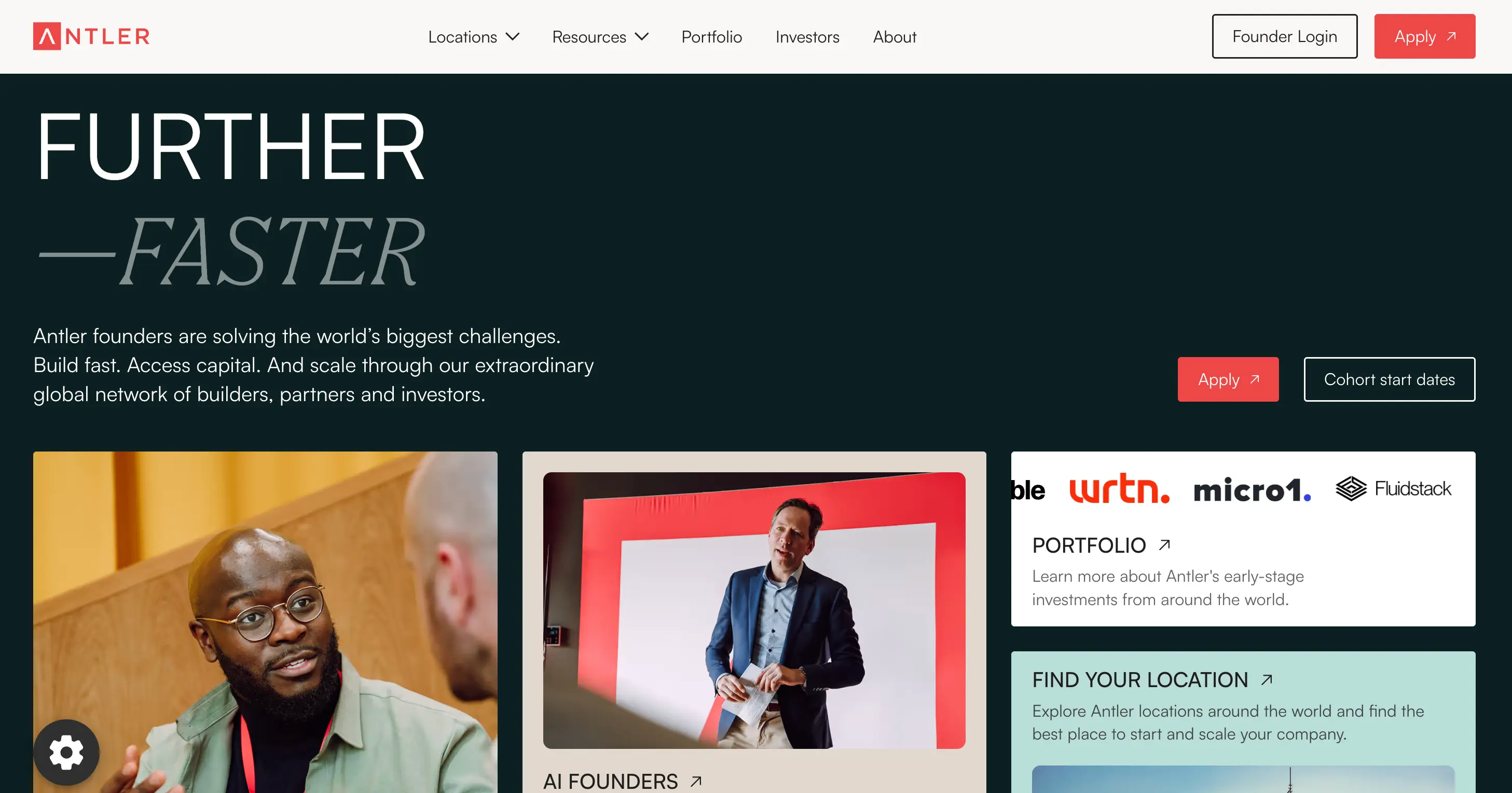
Program Snapshot
- HQ: Singapore (global, 30+ cities)
- Stage Focus: Pre-idea to Early Stage
- Sector Focus: Generalist
- Deal Terms: $500,000–$1,000,000 initial investment (terms vary by location); up to $30M as companies scale
- Program Format: Residency-based program (typically 2–3 months depending on location)
- Visit Antler
Antler operates at an earlier stage than almost every other program on this list.
It's not an accelerator in the traditional sense. Antler is a founder residency and company-formation program designed for people who want to build a startup but haven't yet found their co-founder or finalized their idea. The US program invests approximately $100,000–$200,000 for around 10% equity, with additional funding available as companies progress.
The residency is two months of intensive co-founder matching, idea validation, and early team formation. It's built for domain experts, engineers, and operators who want to take the leap into founding, not for teams who already have a company with traction.
Compared to Techstars, Antler is earlier in the company-building timeline.
It’s best for experienced professionals who are serious about starting a company but are still in the co-founder search or idea exploration phase.
10. South Park Commons
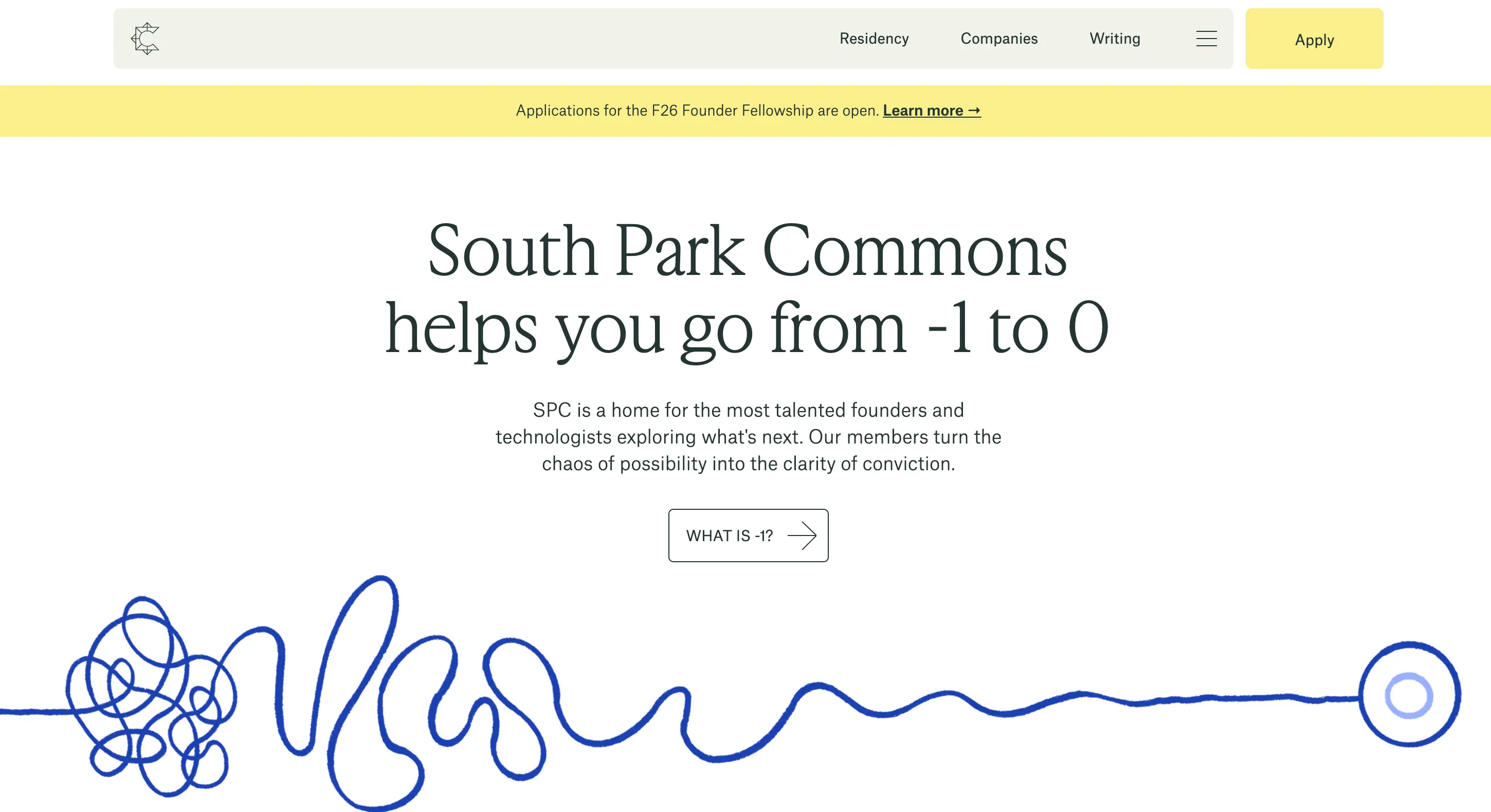
Program Snapshot
- HQ: San Francisco, California (also New York and Bengaluru)
- Stage Focus: Pre-idea
- Sector Focus: Technical / Generalist
- Deal Terms: Residency is free (no equity taken); $1,000,000–$10,000,000 in funding available for those ready to raise
- Program Format: 6-month residency
- Visit SBC
SPC is not an accelerator in the traditional sense. There's no fixed curriculum, no Demo Day structure, and no standard investment requirement.
The Residency is free. No cost, no equity, and runs for six months. It's a talent-dense community of technical founders, researchers, and domain experts working through ideas in San Francisco, New York, and Bengaluru. Members range from pre-idea to pre-launch. The goal is what SPC calls going from "-1 to 0": finding conviction on what to build before building it.
Funding is available separately, $1M to $10M for members who are ready, but it's not guaranteed and not the entry point.
Notable alumni include Render, Replit, Luma Labs, Pilot (SPC's first unicorn), and Anthropic co-founder Tom Brown, who joined SPC before going to Google Brain and then OpenAI.
Compared to Techstars, SPC has much less structure. What it offers instead is an unusually high concentration of smart, ambitious people in the same room, and time to develop conviction before committing to an idea.
5 Honorable Mentions
These programs didn't make the top 10, but are worth considering depending on your sector and stage:
- Greylock Edge : Early access program from Greylock Partners for founders with a strong connection to the firm
- Founder Institute : Large, global pre-seed accelerator with a structured curriculum and lower barrier to entry
- Alchemist Accelerator : Strong focus on enterprise startups with B2B revenue models
- ERA (Entrepreneurs Roundtable Accelerator) : New York-based, strong for founders building in the NYC ecosystem
- MassChallenge : Equity-free, global competition-style accelerator with strong corporate partner access
How to Choose the Right Accelerator
If you’re a founder, don’t be fooled by the flashy brands and headlines. There's no universal "best" accelerator.
Every program on this list is optimized for something different. Some are built around mentorship. Others emphasize technical talent, founder community, investor access, or company building. The right choice depends on where your company is today and what will help you make the most progress over the next year.
That's also why comparing accelerators can be surprisingly difficult. Once you get beyond the headline numbers, every program starts to look similar on paper. Funding amounts, equity, and program length only tell part of the story. The mentor network, stage focus, alumni community, industry expertise, and investment philosophy often have a much bigger impact on the founder experience.
If you're evaluating multiple options, we've built an Accelerator Comparison Tool to make the process easier. You can compare programs side by side, filter by stage, industry, funding, equity, location, application deadlines, and dozens of other criteria. It's a much faster way to narrow your shortlist than jumping between a dozen accelerator websites.
We also have a list of 1300+ incubators and accelerators we early-stage startups. Sort by geography, industry, check size, and more!
Frequently Asked Questions
Is Techstars worth the equity it takes?
For many founders, yes. But not because of the $220,000 investment. The founders who report the highest satisfaction from Techstars consistently point to something else: investor introductions, long-term relationships with experienced operators, and lifetime access to a global alumni network. The equity question misses the bigger picture. The real question is whether the relationships Techstars provides are worth more to your company than alternative uses of that equity.
Which Techstars alternative has the best deal terms for founders?
South Park Commons takes no equity during the residency phase, making it the most founder-friendly on pure equity terms. Neo and a16z Speedrun offer larger investments than most alternatives. Y Combinator's $500,000 deal at 7% is well-regarded for founder alignment. The right deal depends less on the percentage and more on what comes attached to it.
Can I apply to multiple accelerators at once?
Yes. Most accelerators don't prohibit simultaneous applications, and applying to multiple programs simultaneously is common. If you receive multiple offers, you'll need to make a decision, and the framework in this guide should help you think through which program actually fits where your company is right now.
What stage should I be at before applying to an accelerator?
It depends entirely on the program. Antler and South Park Commons are designed for founders who are pre-idea. Y Combinator, Techstars, and a16z Speedrun prefer teams that have a product direction, even if it's early. HF0 and Sequoia Arc typically look for founders who have demonstrated they can build and ship. Check each program's stated stage criteria and look at the kinds of companies they've accepted before to get a more honest picture.
How important is the Managing Director for Techstars programs?
Extremely important. Because Techstars is a network of programs rather than a single standardized experience, the Managing Director shapes almost everything: mentor quality, investor relationships, program culture, and post-program support. Before applying to a specific Techstars program, research the MD's background and look at the outcomes of their previous cohorts.


![12 Best Startup Financial Model Templates [Free & Paid]](https://d1pnnwteuly8z3.cloudfront.net/images/177302d9-3657-45b7-ac9d-acf801d83a74/019fadd2-2388-77a4-a43e-6c44f536d546.jpg)
![15 Best a16z Speedrun Accelerator Alternatives [2026]](https://d1pnnwteuly8z3.cloudfront.net/images/177302d9-3657-45b7-ac9d-acf801d83a74/019f8293-d04c-7c0c-bb0d-86690f79ce44.jpg)
![17 Best YC Alternatives for Early-Stage Startups [2026]](https://d1pnnwteuly8z3.cloudfront.net/images/177302d9-3657-45b7-ac9d-acf801d83a74/019faa68-e459-7e31-9f51-fd43c0d5a9ca.jpg)