An interview with Kai Micah Mills, founder of Cryopets, on building the only whole-organism cryopreservation protocol in the world, why raising $1.5M was harder than his previous $10M raise, and the investment committee that kills every good deal.
Table of Contents
Cryopreserving Whole Organisms Is the Most Direct Attack on Death
Shaun Gold from OpenVC: Quick version. What are you building?
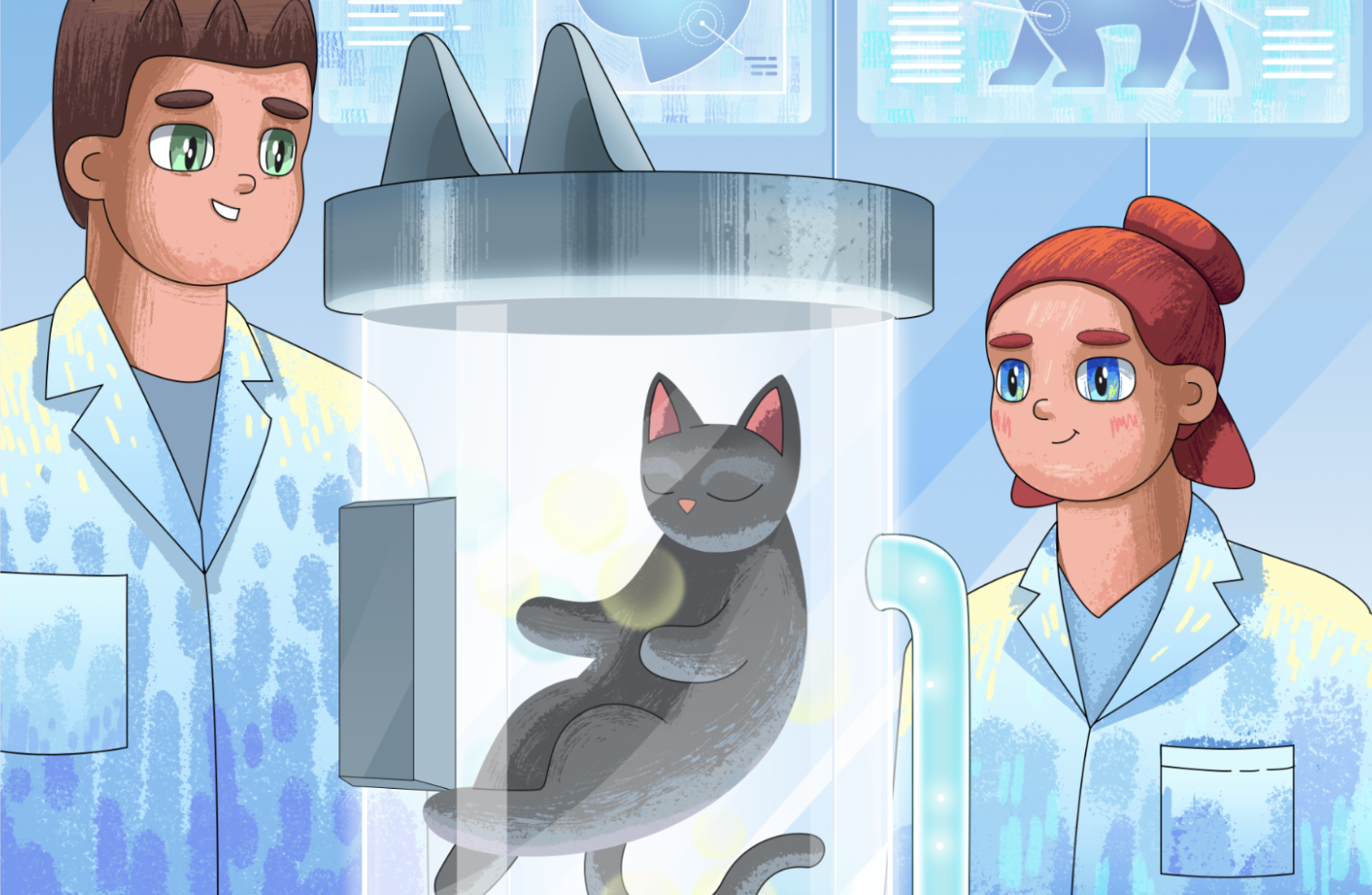
Kai Micah Mills: We cryopreserve whole organisms. That is the core technology we advance. Right now, we offer that as a service for pets: an end-of-life alternative to burial or cremation, to eventually reverse the process and bring them back. Whole-organism cryopreservation is the research we focus on.
The bigger picture is this: if you can pause biology, if you can pause an entire organism, you solve almost every cause of death. Dying of cancer, old age, trauma, disease, whatever it is, if we can pause people and animals and keep them in that state until we solve those conditions, we've found the most direct attack on death that I can think of. That's what we're building toward. We're starting with pets because that's where we can prove it, but this is not a business play. It's technology that needs to exist.
We now have the only protocol in the world to do this for whole organisms. We have cryopreserved our first pets all the way through the process. They're still with us. The results are in hand.

One Year Self-Funded, a Garage Lab in Utah, and a Thiel Fellowship
OpenVC: What did the journey to the pre-seed look like? Did you have traction going in?
Kai: When I first started, I thought: Let's just raise an $8 million round. That's what this really needed, and of course, it would have been great to have on day one. But I'm a longtime entrepreneur, I've sold companies before, I've raised in tech and in crypto, but I was new to bio and deep tech. And raising around 2022 to 2023 was not like 2021, where valuations were inflated, and money was flying around everywhere.
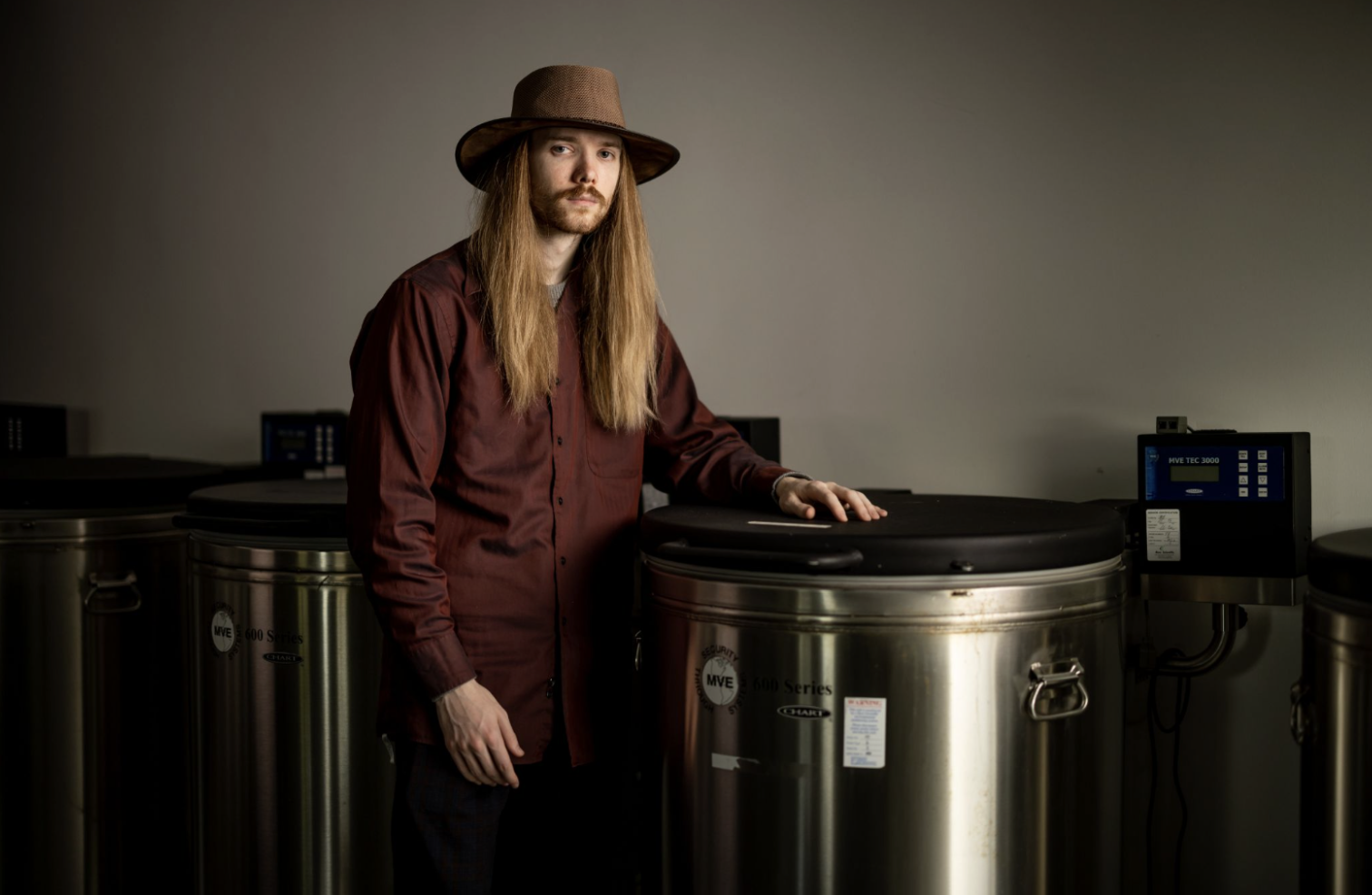
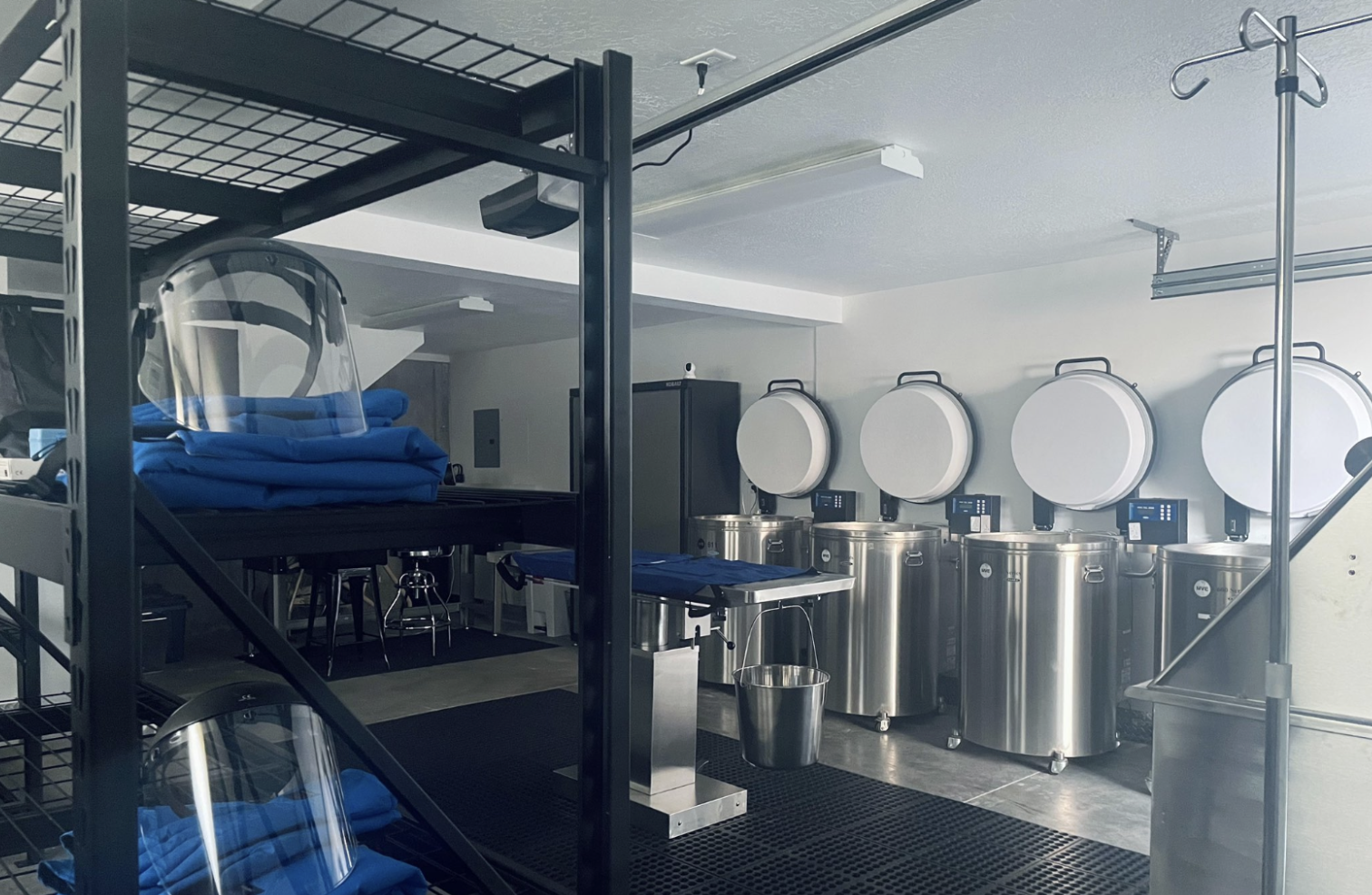
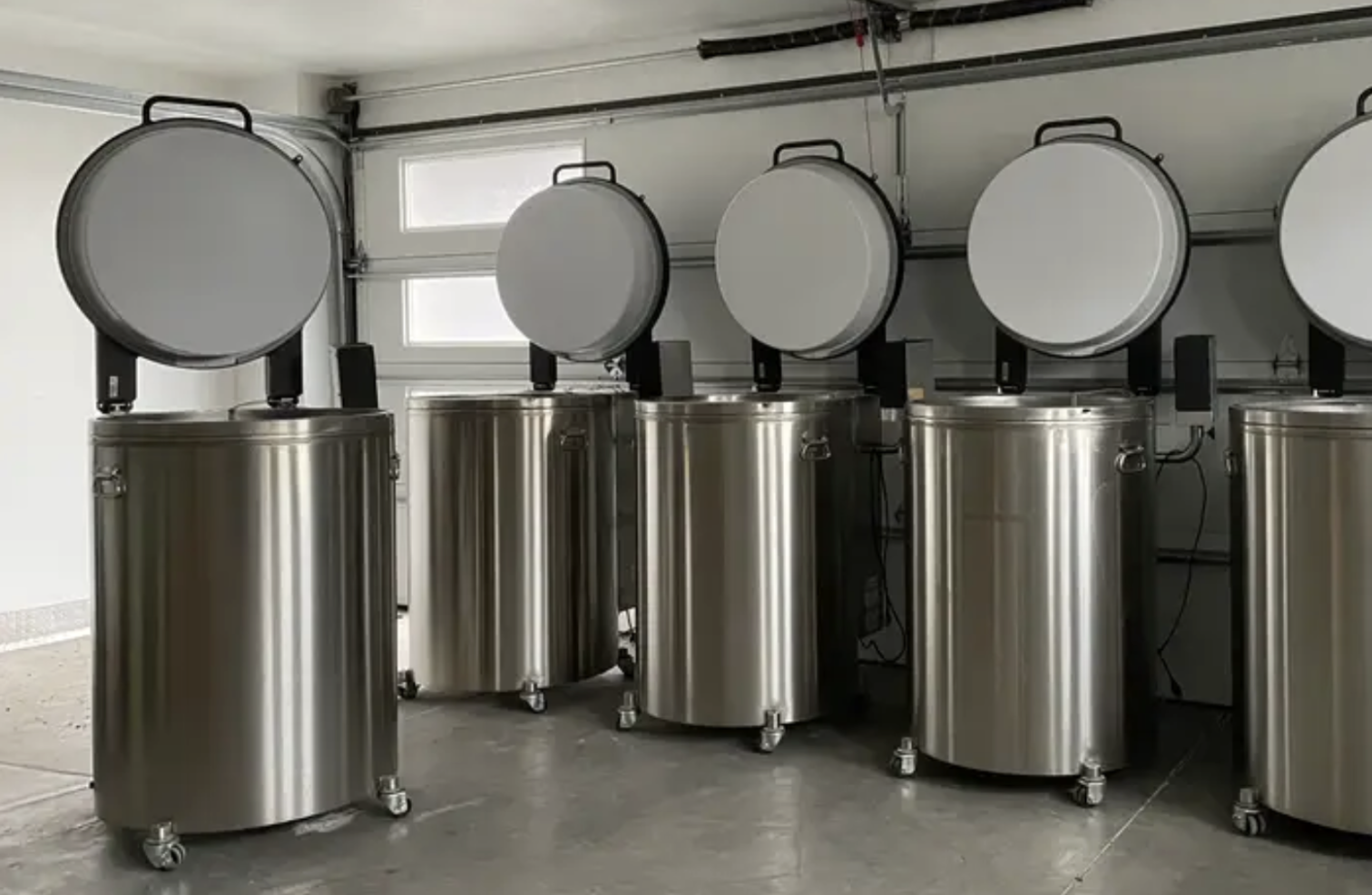
I tried to raise early on. It was just an idea at that point, and that went nowhere. So I self-funded for about a year. I built the first version of our cryobiology lab in my garage in Utah. And then I got the Thiel Fellowship, and that's when things more officially kicked off. We started getting big news articles. People were signing up to have their pets cryopreserved. A waitlist was forming. That all happened before the pre-seed.
By the time we got to the pre-seed, we had proof that people wanted this, and wanted it quite a bit. We had a waitlist somewhere under 5,000 at that point. We're just crossing 10,000 now.
OpenVC: And what were the milestones you wanted that round to unlock?
Kai: Getting operational. There was still significant R&D ahead, and some really critical hires: our chief scientific officer, head of engineering, people who could actually run the science. The pre-seed was about building the team and getting to the point where we could deliver on the service, where we could actually cryopreserve pets. That was the goal.
Raising $1.5M Was Harder Than Our Previous $10M Raise
OpenVC: What did the messy middle look like for you?
Kai: Horrible. Completely horrible. I've raised tens of millions in the past, in tech, in crypto, all of it. All of those were significantly easier. Raising $10 million was easier than raising $1.5 million for this company, because this is bizarre to people. It's not an AI wrapper. It's not something that's hyped. It doesn't fit neatly into a 30-minute call.
A lot of the investors I eventually got on board, I had to spend significantly more time with to work through the mental hangups that come with cryopreservation. I pitched hundreds of investors. It became a pure volume play. I had to get it in front of as many people as humanly possible and then figure out which type of investor was actually open to this level of risk and this level of strangeness.
Because here's the thing: investors love the narrative that they're the bold ones, the risk-takers, the first check in. But that's mostly for show. Very rarely will you find an investor willing to back something genuinely weird. The ones who say they've been believers since the pre-IPO phase are almost always the ones who wouldn't have invested in the pre-IPO phase. It's extremely rare to find the real early believers.
OpenVC: So nobody wanted to be first.
Kai: Nobody. And then finally it was Valyrian that gave us the chance. They were willing to be the first check. Valyrian is a fund specifically created to back Thiel Fellows, so there was alignment there from the start. But I was feeling pretty defeated at that point. I didn't know if anyone in the world was going to say yes. I think I was out at dinner when the email came in that they were in. I was just extremely relieved. And from that point, I thought: okay, the rest of the so-called risk-taking VCs can follow now that there's a lead.
Then there was Prelude, another investor who actually came in on their own. They're primarily a crypto fund, and I hadn't even brought it to them at first because I figured it wouldn't be their thing. But I had been talking to Patrick there for a while and eventually just sent it over. He said yes within about five minutes. No call. Just: I'm in, let's do it. Those are the investors you want. They're extremely hard to find. And with a company this unusual, people either get it immediately or they never will. You know within seconds which one you're talking to.
The Investment Committee Is Where Every Good Deal Goes to Die
OpenVC: For pre-seed, did you prefer angels or funds?
Kai: Angels were easier for the pre-seed, without question. Mission-driven people who get excited and write a check. The funds have too much baggage. What would happen consistently is I'd get on a call with a general partner, it would go great, they'd be all over it, and then it goes to the investment committee. That's where every good deal goes to die.
There's actually a Peter Thiel quote along the lines of: if every investment requires a committee to agree on, you'll never back the big ones, because the best investments are always the ones people are going to disagree on. You can see it play out in real time. The partner is in. The committee is not. Deal's dead.
So for the pre-seed, angels were the right call. But we can only do the mission-driven, crypto-angel, believe-in-the-weird-thing play for so long. As rounds get larger, we're raising $5 million for seed now, and eventually looking at $20 million and beyond. We need real institutional funds that can follow on and generate serious momentum. That's where my focus is shifting.
One Angel Investor Introduced Us to More Capital
OpenVC: Where did OpenVC fit in all of this?
Kai: At that point, I was going for pure volume. I needed this in front of as many eyes as possible. That's when I came across OpenVC, I think just through a Google search. I went through the process of filling everything out, and within a day I heard from Francis Santora. We had one call. He took maybe one more day to think about it and then decided to invest. Super fast.
He reached out after I submitted the startup information to OpenVC. And then beyond the check itself, he made a ton of introductions. Gaingels came in through Francis and put in $25,000. There were others in that pathway too. For a company this difficult to fundraise for, getting any momentum at that stage was meaningful. OpenVC delivered real value there.
OpenVC: What do you think Francis responded to? Because this is not what he typically sees.
Kai: I think it was exactly that. He goes through pitches all day. Everyone is chasing the same narratives, jumping on whatever the next big thing is. We're not doing that. I didn't start this company because I thought it would make me the most money or because it was the low-hanging fruit. I started it because this technology needs to exist. We're dying. That's the problem. And if you want to change something that fundamental, fast and at scale, a startup is the right vehicle.
I think Francis saw that this wasn't a business play. It was: we are solving the most important problem, and value will follow because of that. When you solve something extremely difficult that people genuinely need solved, value follows without question. I think for him it was probably a breath of fresh air compared to everything else on his desk.
I had my investors add every person they can introduce us to
OpenVC: Now that the pre-seed is done and you're going into seed, what's different?
Kai: Everything. We have so much more now than we had back then. The protocols are ready. We've cryopreserved our first pets. It's not just an idea anymore. We've done the process end-to-end, and we have the results. Those pets are still with us.
And at the end of the day, what VCs need to see is proof that people are willing to pay for it. Once you can show that, they're happy to jump on. The weird and the cool is fine, but the willingness to pay is what closes it. We have that now in a way we didn't before.
The other thing that's different is the approach to building the investor list. I went to all of my current investors with the same simple sheet I use for tracking, and I had them add every person they can introduce us to. If I have specific funds I want to reach that I don't have a path to yet, they can fill that in too if they know someone there. It's basically mobilizing the cap table to compress as many meetings as possible into the shortest window possible. That's the strategy.
Go Warm, and Expect 10x More Conversations Than You Think
OpenVC: What would you tell another founder raising right now?
Kai: Hopefully, what you're building is easier to explain than freezing pets. But even if it is, you're going to have to talk to 10 times more investors than you think. That's just the reality. And compress it as tightly as you can. If you can get all those meetings done in one week or two weeks, do it. Otherwise, you end up with a pool of maybes who go quiet for two weeks between each touchpoint, and the whole thing drags out into a multi-month nightmare.
Cold outreach very rarely works, at least at pre-seed. It's got to be warm intros. Almost every cold email I sent went nowhere. The deals that happened were either warm intros or people I already had a relationship with. That's true even at my level of network, having come through the Thiel Fellowship, On Deck, the Foresight Fellowship, and having sold multiple companies before. I consider myself well-connected, and it was still that difficult.
If you're building something that actually matters, something you're not building because it's easy or because it follows the current narrative, expect it to be hard. That's not a reason to stop. It's just the reality.
OpenVC: Last question. If you had to summarize the fundraising journey in one sentence, what would it be?
Kai: Horrible. Completely horrible. That's what I'd say. It's painful, it takes a while, and it's never easy, especially when you're building something that really matters, and you're not just chasing a narrative. But founders need to hear that. The idea that you can get it done in a week, or that the cold emails will work, or that the right tool alone will solve it, that's just not how it works. Volume, warmth, compression, and a lot of patience. That's the game.
About Kai Micah Mills from Cryopets
Kai Micah Mills is the founder of Cryopets , a whole-organism cryopreservation company offering an end-of-life alternative to burial and cremation for pets. A serial entrepreneur and Thiel Fellow, Kai has previously sold multiple companies in tech and crypto. Cryopets closed a $1.5M pre-seed round in fall 2025, backed by Valyrian, Prelude, and angels including Francis Santora via OpenVC. The company is now raising a $5M seed round.

![12 Best Startup Financial Model Templates [Free & Paid]](https://d1pnnwteuly8z3.cloudfront.net/images/177302d9-3657-45b7-ac9d-acf801d83a74/1b029edf-43cf-4bd9-9e37-203f66bf426f.png)