An interview with Emmanuel Henry-Ajudua and Justin Goolcharan, co-founders of Medical Student AI, on building for a problem they live every day, turning investor rejections into a product roadmap, and why a $30K check from the right person was worth more than $10 million from the wrong one.
Table of Contents
Building an AI companion app for physicians
Shaun Gold from OpenVC: Give us the quick version. What's the company, who is it for, and what problem are you solving?
Justin Goolcharan: Medical Student AI is a physician-centered, AI-powered platform built to support every aspect of a physician's day-to-day life: education, clinical practice, and teaching.
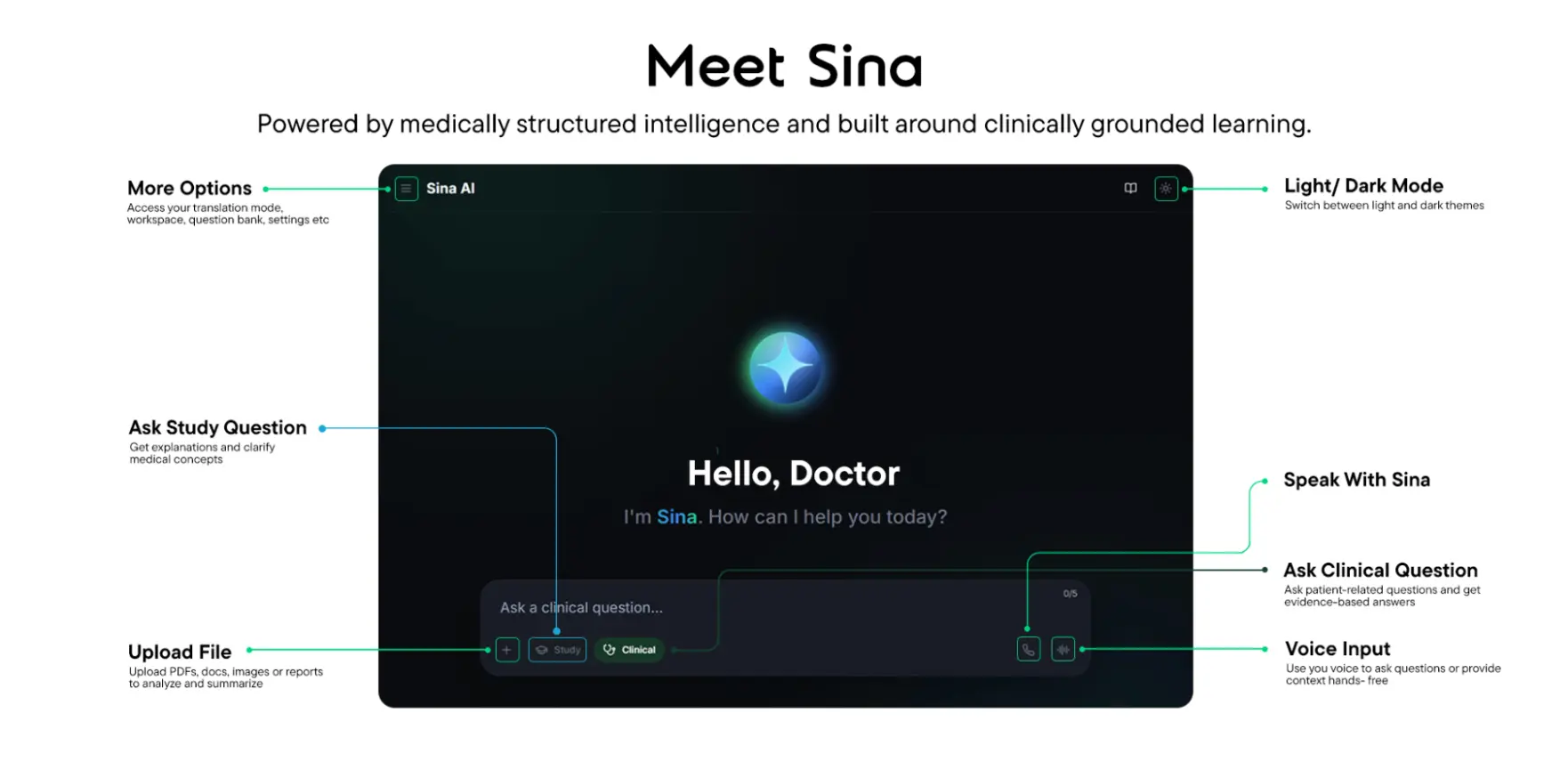
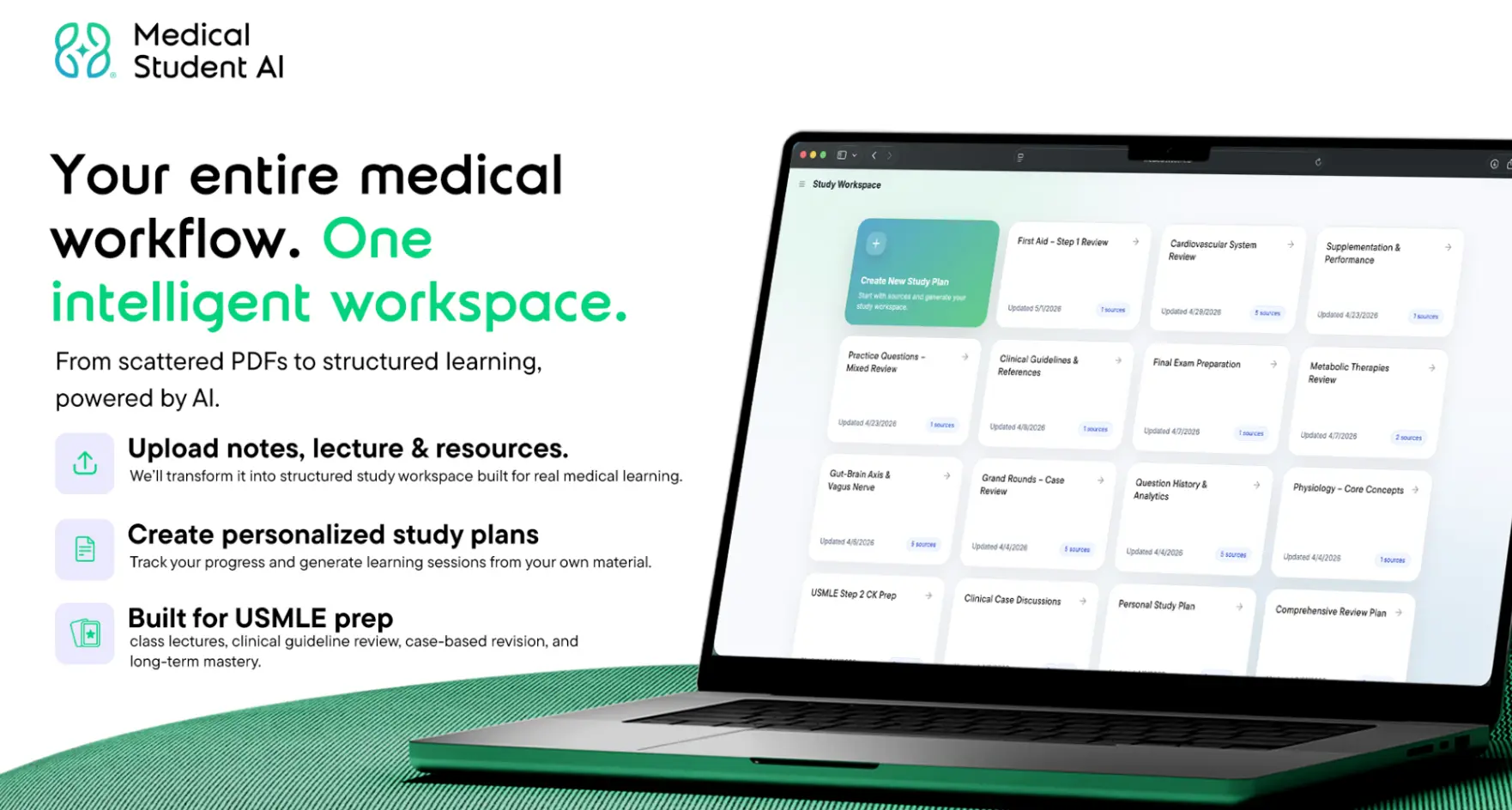
Emmanuel Henry-Ajudua: To build on that we started as an adaptive educational tool for medical board exam prep, specifically USMLE Step 1 and Step 2, which is still core to the platform. But we quickly realized there was a much bigger market to serve. We expanded into clinical reasoning, so physicians and residents get on-demand, real-time clinical decision support through our SINA AI agent. And we've also built out physician workflow tools, all AI-powered and personalized to the individual user.
OpenVC: So who exactly is the target user? Medical students, physicians, nurses - paint me the picture.
Emmanuel: The target is anyone in the medical field: physicians, residents, and medical students first. But because of how the content and product are structured, it naturally extends to allied health as well. We have a strong and growing base of nurse practitioners. Since we launched our first MVP in May 2025, we've grown to 15,000 users across 193 countries. Physicians, medical students, residents, and allied health professionals are all active on the platform.
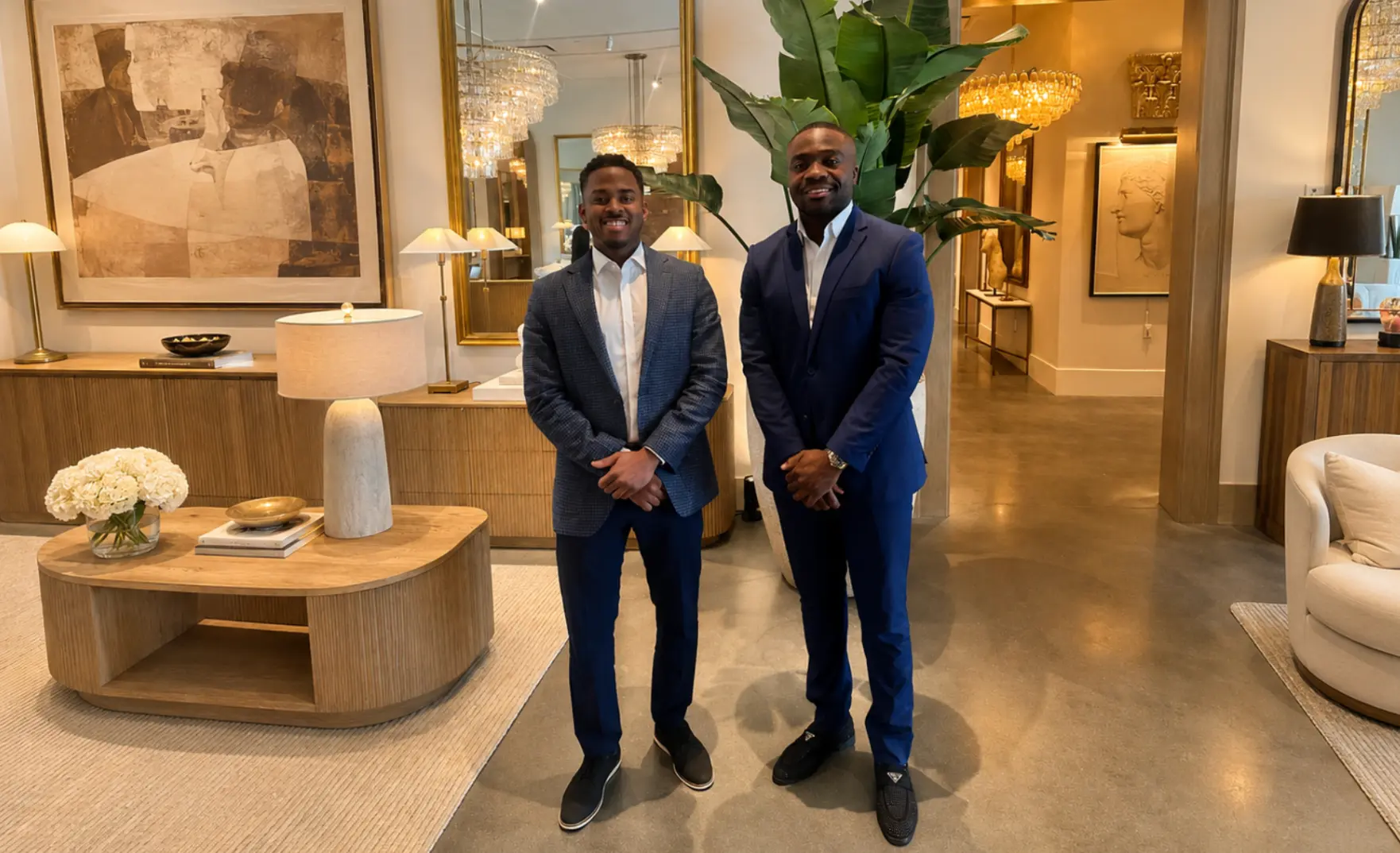
With Zero Marketing Spend we had 15K users in 193 countries.
OpenVC: What is the one core problem at the center of all of this?
Emmanuel: The core problem is that medical professionals are given enormous amounts of information through a one-size-fits-all model. Justin and I know this firsthand - we're both residents, finishing up in June and moving to attending roles in July. We've been in the system while building for the people in the system.
Right now, if you're a physician, you're handed a flood of data and expected to sort through it, contextualize it, and act on it. Medical Student AI creates an ecosystem that handles that for you at every stage of the career journey: from test prep and board exams, all the way to bedside clinical reasoning with answers that are citable and linked to credible sources. We've integrated the National Library of Medicine and have access to roughly 86 million citable references on the platform.
Affordability is also a major part of it. Legacy tools in this space run $300 to $400 a month. We charge $20 a month. That will increase as we add features, but we're committed to staying under $60 to $80. The goal is to make the best tool in the category also the most accessible.
OpenVC: And outside of 15,000 users, any other traction worth mentioning?
Emmanuel: We're in 193 countries. Most of our near-competitors are focused solely on the US market. We also have live language translation built in, so a physician in Turkey gets answers in Turkish. It's a genuinely multilingual platform.
What makes that number even more meaningful is that over 70% of those 15,000 users came through Google search alone. Word of mouth accounted for most of the rest. We have not spent meaningfully on marketing. That growth was entirely organic.
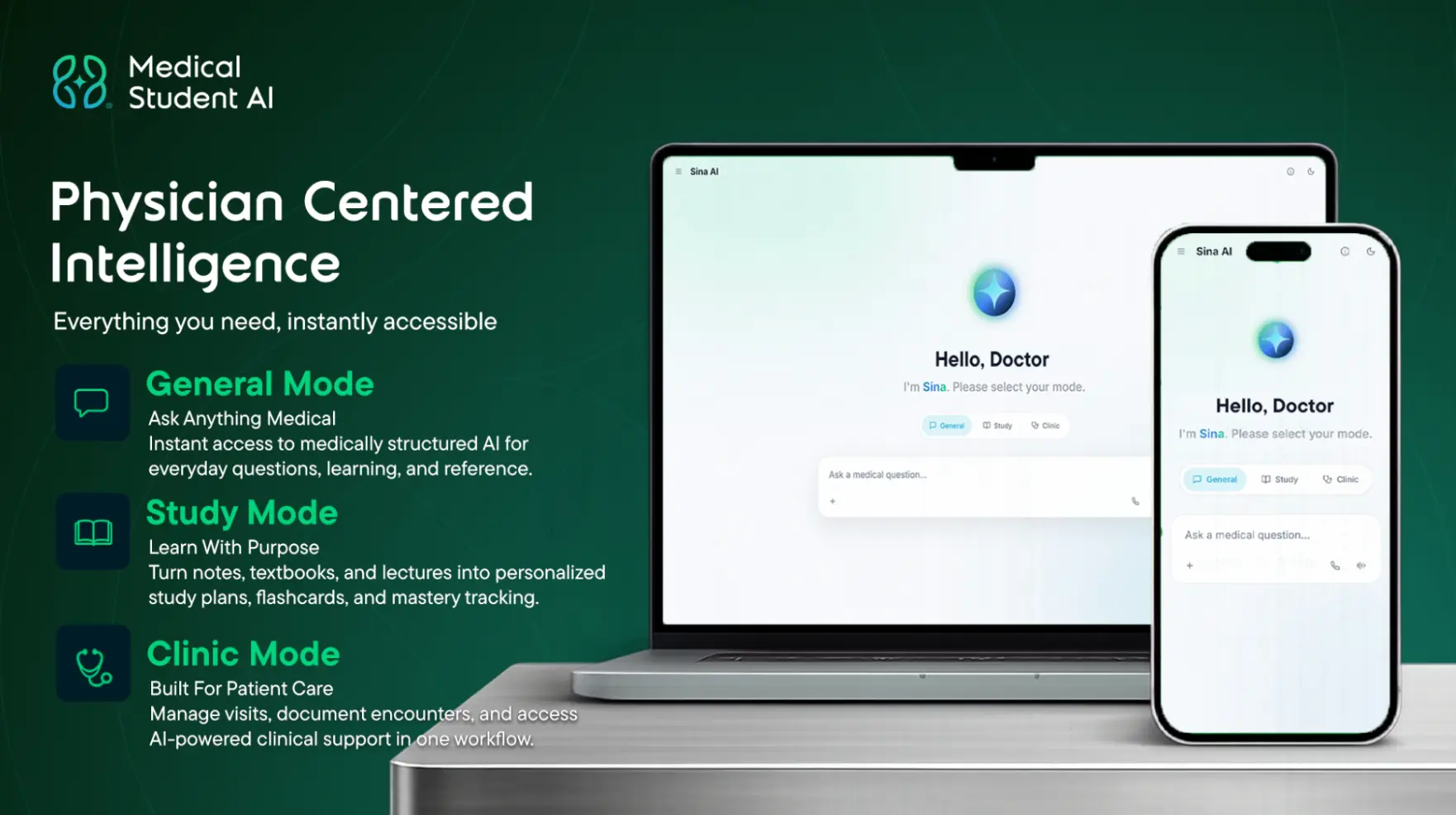
We Passed on a $10M Pre-Launch Offer
OpenVC: What did the first weeks of fundraising actually feel like? Everyone sees the announcement - nobody sees the messy middle.
Emmanuel: So to be fully transparent: this was pre-revenue, pre-product. Just an idea. And we actually had someone willing to invest at that stage - talking upwards of $10 million. But they wanted a very large ownership stake, and more importantly, the relationship just didn't feel right. The vibe we got from this person was not someone we could build a long-term partnership with. He wasn't deeply familiar with what we were building. He was a crypto investor with capital to deploy, and that was essentially the full extent of it.
We had to step back and ask: is this what we want for the company? We've been able to get it to where it is on our own. If given the resources, we should be able to scale it the right way with people who genuinely believe in what we're building - not just people who want control.
So we passed on it. And that was how we started.
OpenVC: That sounds like a lot of red flags in one sentence.
Emmanuel: Yeah. After that, it was just a lot of trying and failing. There was a lot of failing. There's still failing now, but there's a lot more success to point to. And when we came across OpenVC, we started exploring it even before we paid for the annual subscription - reaching out to a few people through the free tier and getting some early responses. That told us it was worth the investment. So we went all in, paid for the annual plan, and got full access to the database.
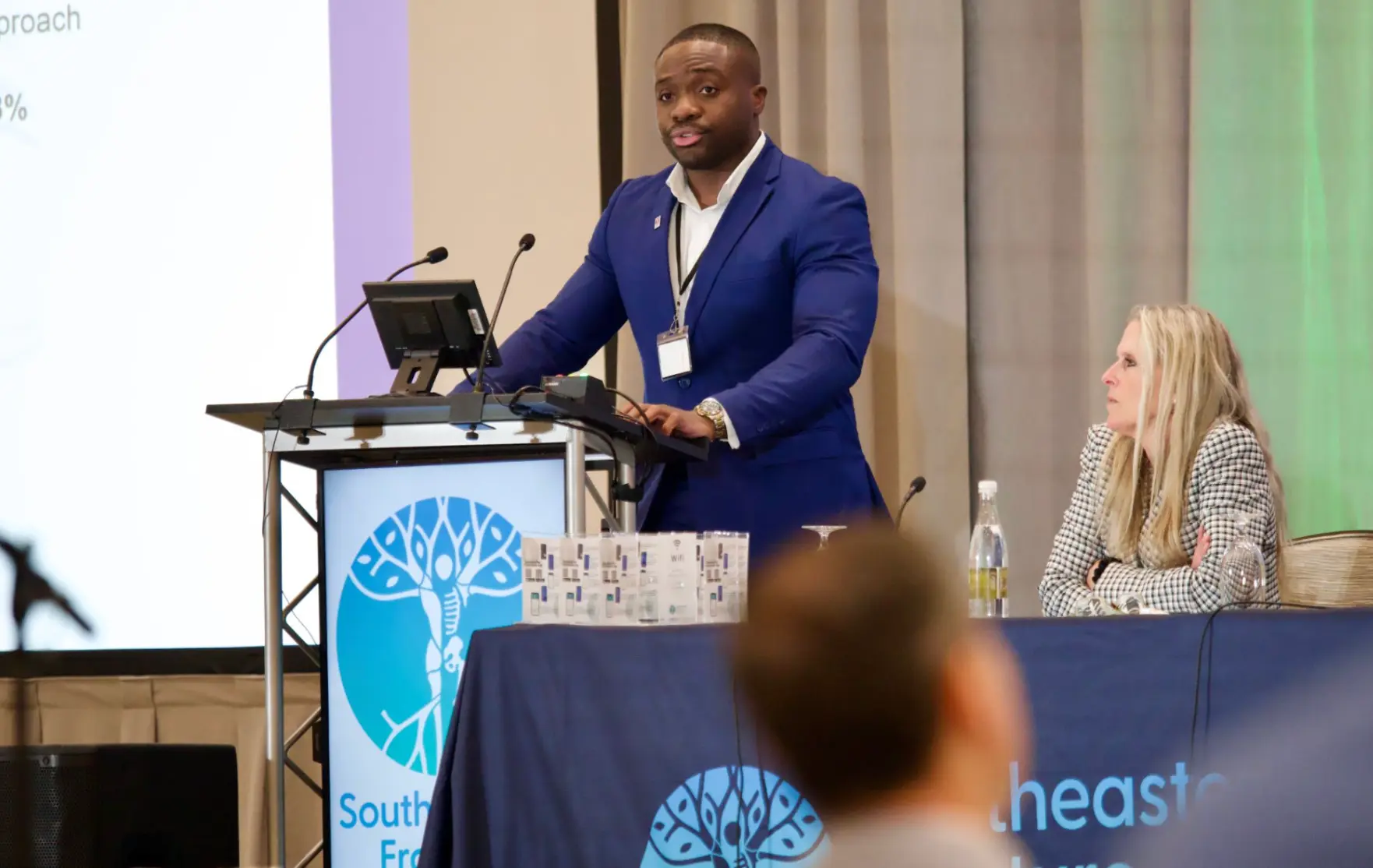
We sent 200 Cold Emails with Zero conversion
OpenVC: Where did those first investor names come from before OpenVC? How did you build the initial list?
Emmanuel: A friend who worked at another company did some initial research for us and helped us identify contacts. We reached out to over 200 people at that point. We didn't get anything back from that effort.
OpenVC: 200 emails, zero responses?
Emmanuel: Cold emails, LinkedIn messages, we even had some phone numbers and tried calling. If an unknown number shows up on an investor's phone, they're not picking up. That's just reality. That was where we started.
Once we got onto OpenVC, everything shifted. Most of our warm contacts and meaningful responses came from there. We used the CRM inside OpenVC to track who we'd reached out to, who had viewed the deck, who said no, who was still in conversation. We also used the LinkedIn integration heavily - a lot of investors want to see your LinkedIn before they'll engage, and having that connection alongside the outreach made a real difference.
Over the course of Q1, we spoke with 20 to 25 investors. Out of that group, we had strong interest from roughly 10%, which by most benchmarks is a solid hit rate for early-stage outreach.
OpenVC: And how did the pitch evolve through all of those conversations?
Justin: Every time someone said no, we listened to why. We took that feedback and added something - refined the story, tightened the positioning, made it more compelling for the next conversation. The pitch got meaningfully better with each iteration.
Emmanuel: Exactly. A no isn't a no forever. It's information. We used every single one of those conversations to get better. And that's actually how we got Rahul.
Rahul Said No Twice. We Delivered. He Invested.
OpenVC: Walk me through how Rahul came in.
Emmanuel: We found Rahul Dandamudi on OpenVC. Reached out through the platform, followed up on LinkedIn the next day. We had an initial call, then a second call. At the end of the second conversation, he told us no. But he was specific about it. He said: come back, keep me updated, here's what I want to see.
So we went and built it. A few weeks later we came back and said: this is where we are, this is what you asked for, we have it. He said he liked us, he wanted to work with us, and we signed a SAFE agreement.
He structured the investment in tranches tied to milestones. Hit this number, receive this disbursement. Hit the next milestone, receive the next one. When we first met Rahul, we had under 5,000 users. One of his conditions was to reach 7,000. We hit 7,000 specifically because of the accountability that structure created.
OpenVC: That's a powerful dynamic.
Emmanuel: It is. And it did more than just get us capital. The things Rahul asked for turned out to be exactly what the larger investors we're now speaking with want to see. He essentially prepared us for the bigger conversations. We're currently in discussions with one fund that is looking at a check of up to $5 million - but they want to see institutional integration first. We're in talks with the University of the West Indies, several medical schools in Florida, and working toward integration with major journals like Elsevier and JAMA, as well as the AMA for coding and billing infrastructure. Rahul's milestones put us on the path to being able to have those conversations at all.
He also introduced us to people in his network who have raised significant capital themselves, and they gave us practical guidance on how to operate in this space. That's what we mean when we say we want strategic investors, not just capital.
OpenVC: Did any of Rahul's introductions lead to additional investment?
Emmanuel: Not yet, but there are a few ongoing conversations that came from his network. We're still working those.
Five Investor Outreaches a Day, No Exceptions.
OpenVC: Now that you have traction, commitments, and a sharper pitch, what does the fundraising routine actually look like day to day?
Emmanuel: The volume is still consistent. Through OpenVC, we're doing about five outreaches a day. On top of that, we do additional research through LinkedIn and can push that to 10 or 15 a day when needed. Everything is still moving - we're not dialing back until the round closes.
For investors we've already spoken with, the follow-up is different. It's shorter, more targeted, and focused on delivering specifically what they asked to see. If an investor said they want to see institutional integration, that's what the next email is about. We don't circle back with generic updates.
OpenVC: And where does that track in terms of angels versus funds at this stage?
Emmanuel: At the stage we're at now, with our minimum check size at $50,000, individual angels can be a fit, but funds are more aligned with where we're going. Two funds writing substantial checks is cleaner than ten angels crowding the cap table. Funds also typically bring broader networks, which compounds over time. Some angels can introduce you to a principal or general partner at a fund they know, which is valuable, but for the size of the round we're building toward and the seed round after it, we want one or two fund partners who can write meaningful checks and free us up to keep building.
We've also turned down investors at this stage who were offering only capital with strings attached. We've been deliberate about that from the beginning. Money without alignment is not a deal we're interested in.
The Shift That Changed Everything: Revenue Over Features
OpenVC: As you close in on September, what's actually changed for the company since you started taking outside capital?
Justin: The biggest shift this year has been moving from building mode into revenue and B2B mode. A lot of the early work was product - getting the platform right. Now it's about monetizing what we built and establishing institutional relationships that unlock the next round.
Emmanuel: And alongside that, we've gotten closer to our users. We have a strong product, probably the best in our category, and now we're small enough to still talk to customers daily and understand their specific pain points. There's no perfect platform. But we're catching issues and improving the experience in real time, at a moment when we still can. By the time we're at 30,000 paying users, we want those fundamentals locked in. That's what this period is for.
Believe in the Problem, Mine Every “No”, and Never Stop
OpenVC: What would you tell another founder who's in the early stages of their raise right now?
Emmanuel: First: you are going to get a lot of no's. A lot of people will not buy into your vision, especially at the pre-revenue stage. If you know you have a real problem and a real solution, stay the course. Don't let the no's stop you.
Second: get organized. Use a platform like OpenVC so you know exactly who you've reached out to, who's looked at your deck, who's said no, and who's still warm. We started with spreadsheets, and they still have a place, but the CRM inside OpenVC gave us a structured way to manage the whole funnel - and the ability to filter by category means you're reaching investors who are actually interested in your sector, not just spraying broadly.
Third: believe in yourself and believe in your product. We're not where we need to be yet, but we're in a good position, and I think in two or three months we'll be having a very different conversation on the other side of a closed round.
OpenVC: Last question. If you had to summarize the entire fundraising journey in one sentence, what would each of you say?
Justin: Pray and keep going. If you do that, you'll get there.
Emmanuel: Keep going. If it were easy, everyone would do it.
About Emmanuel and Justin from Medical Student AI
Emmanuel Henry-Ajudua and Justin Goolcharan are co-founders of Medical Student AI , an AI-powered clinical and educational platform for physicians, residents, and medical students. Both are resident physicians completing their training in 2026. The company has grown to 20,000 users across 193 countries since its MVP launch in May 2025 and is currently raising a $1.5 million pre-seed round, with an anticipated close in September 2026.

![12 Best Startup Financial Model Templates [Free & Paid]](https://d1pnnwteuly8z3.cloudfront.net/images/177302d9-3657-45b7-ac9d-acf801d83a74/1b029edf-43cf-4bd9-9e37-203f66bf426f.png)