Top accelerators like Y Combinator and a16z Speedrun work because they offer founders more than capital.
They provide the people, expertise and networks that help companies move faster. That model works great for your typical SaaS startup, where you can build fast and accelerate from day one.
In health though, founders often need something earlier.
Scientific founders may have a breakthrough idea and a great team, yet still lack the physician who can tell them whether the product will actually work, the health system that can tell how it will be bought, or the operator who has already made the mistakes they're about to make.
That is why we created Treehub’s residency program: a specialized residency for health founders before the traditional accelerator stage.
Here's what an “accelerator” looks like when it's redesigned and customized as a residency for health startups.
Table of Contents
The earlier you invest, the more you need to bring
There are a lot of things you can look at when you're investing in a later-stage company. There's a product. There are customers. There's data. You can see what's working and what isn't.
At the earliest stages, you're making decisions with much less information.
The company may still be figuring out exactly what to build, who the customer is and what the founding team needs to look like. Some of the decisions being made during this period will end up being the most consequential decisions the company makes.
That's why investing at this stage requires a different kind of support. Writing a check is important, but so is being able to put a founder in a room with the right person when they need them. Sometimes that's a potential customer. Sometimes it's someone with deep technical expertise. Sometimes it's an operator who has spent a decade in the industry and can immediately spot something the team hasn't considered.
This is what we've done with one of our portfolio companies Diggy. Dr. Dennis Wall is on the faculty at Stanford Medical School (previously at Harvard) with a specialization in pediatric autism. His lab created a novel digital approach to successfully rewire a child’s brain at peak neuroplasticity and ultimately reduce the prevalence of autism in an at-risk cohort. How to translate that into a commercial product? We partner closely with Dr. Wall and his team to design and test various business models. Rather than just being a point solution, we think about how Diggy can own the stack. Diggy is now out with early design partners and just raised at up-round financing.
It's all about shortening the distance between a question and an answer. That's especially valuable early, because speed at this stage isn't just about how quickly you can build. It's about how quickly you can learn.
The goal isn't to tell founders what to do. It's to give them access to people who can help them get to the right answer faster.
The accelerators got the ecosystem right
One of the smartest things about top-tier accelerators is that founders aren't building alone. They're surrounded by other founders going through the same process, people who have built companies before, and a network that becomes more valuable with every company that goes through the program.
That's the part of the model that's particularly interesting for the next generation of early-stage investing. There probably isn't one ecosystem that works equally well for every company. If you're building in a highly specialized industry, the people you need around you are going to be highly specialized too.
That's what we're building at Treehub for health founders.
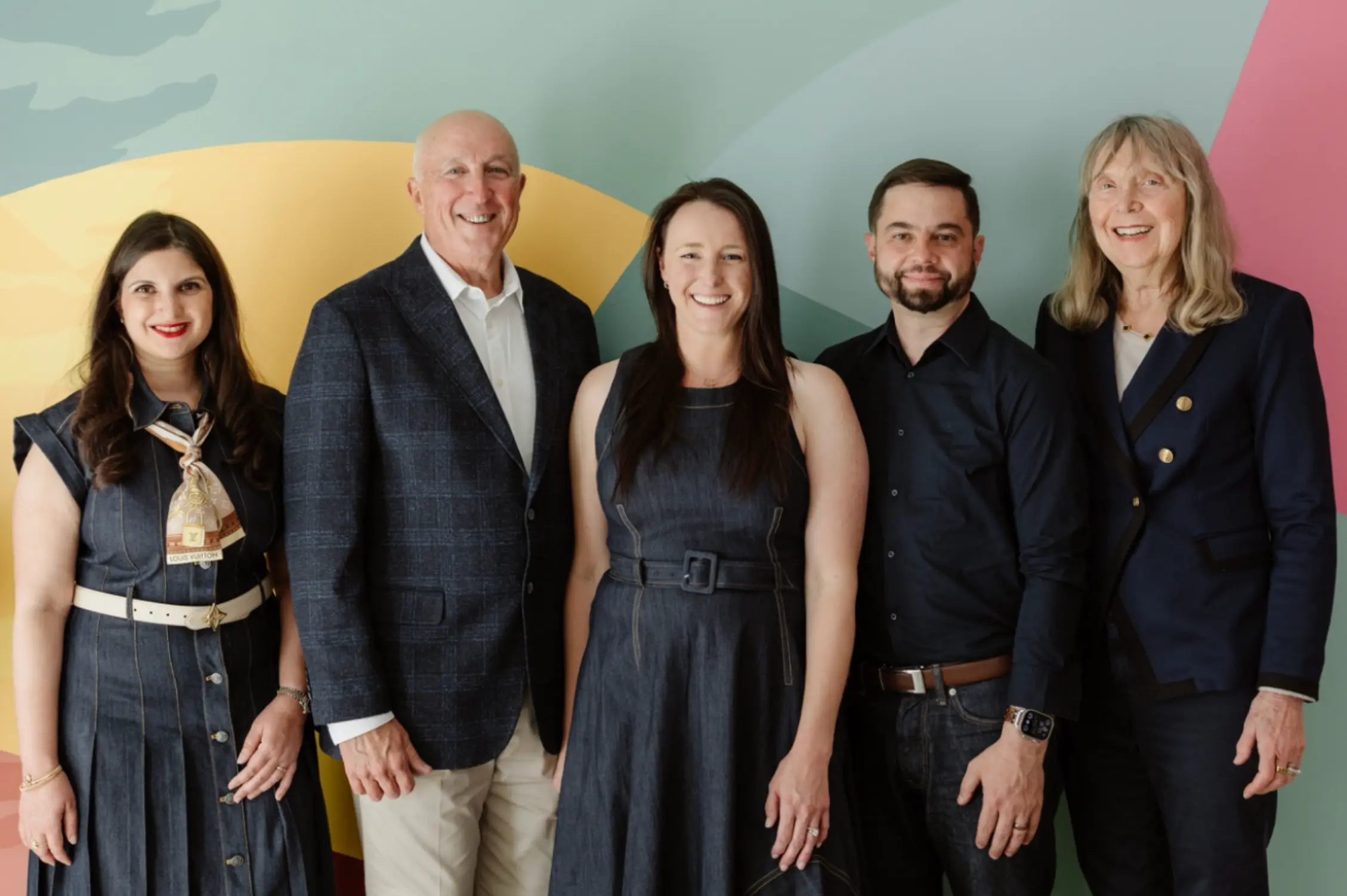
Dr. Roxana Daneshjou, Derek Minno, Mary Minno, Dr. Alexander Ioannidis and Esther Wojcicki.
Healthis an extreme example because there are so many people involved in whether a product ultimately succeeds. Depending on what you're building, you may need researchers, physicians, health systems, regulatory experts, operators and potential customers involved much earlier than you would in another industry.
Let’s talk about Clair Health. The founders, Jenny (just graduating from Stanford) was deep into issues affecting women and Abhinav (2 years out of Stanford with a Masters) was the CTO at a noninvasive glucose monitoring company. After they decided to start a company, Treehub wrote the first check and then went to work. We helped develop a strategy to demonstrate market demand (LOIs and MOUs). This led to an investment from A16Z and then Khosla Ventures, both up-round financings. All this happened within 6 months. Clair will be shipping a product in November.
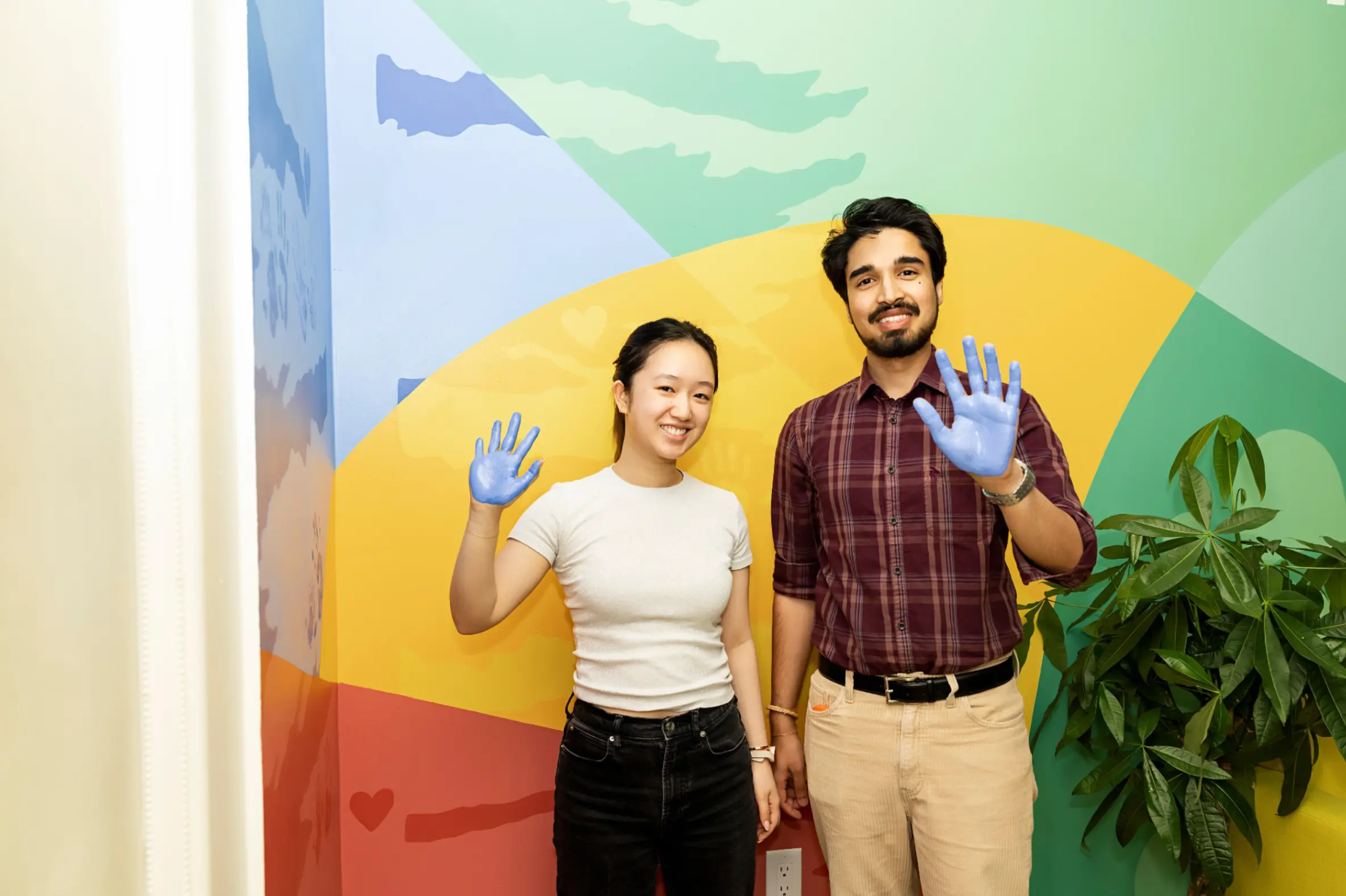
Those connections can save a founder months of work going down the wrong path.
And while health is where we operate, this lesson isn’t limited to health. A climate founder may need access to scientists, utilities or manufacturers. A defense founder may need people who understand government procurement. The specific network changes, but the need for one doesn't.
A network should do more than make introductions
Investors talk a lot about their networks. But there's a difference between having a large network and building one intentionally around what very early companies actually need.
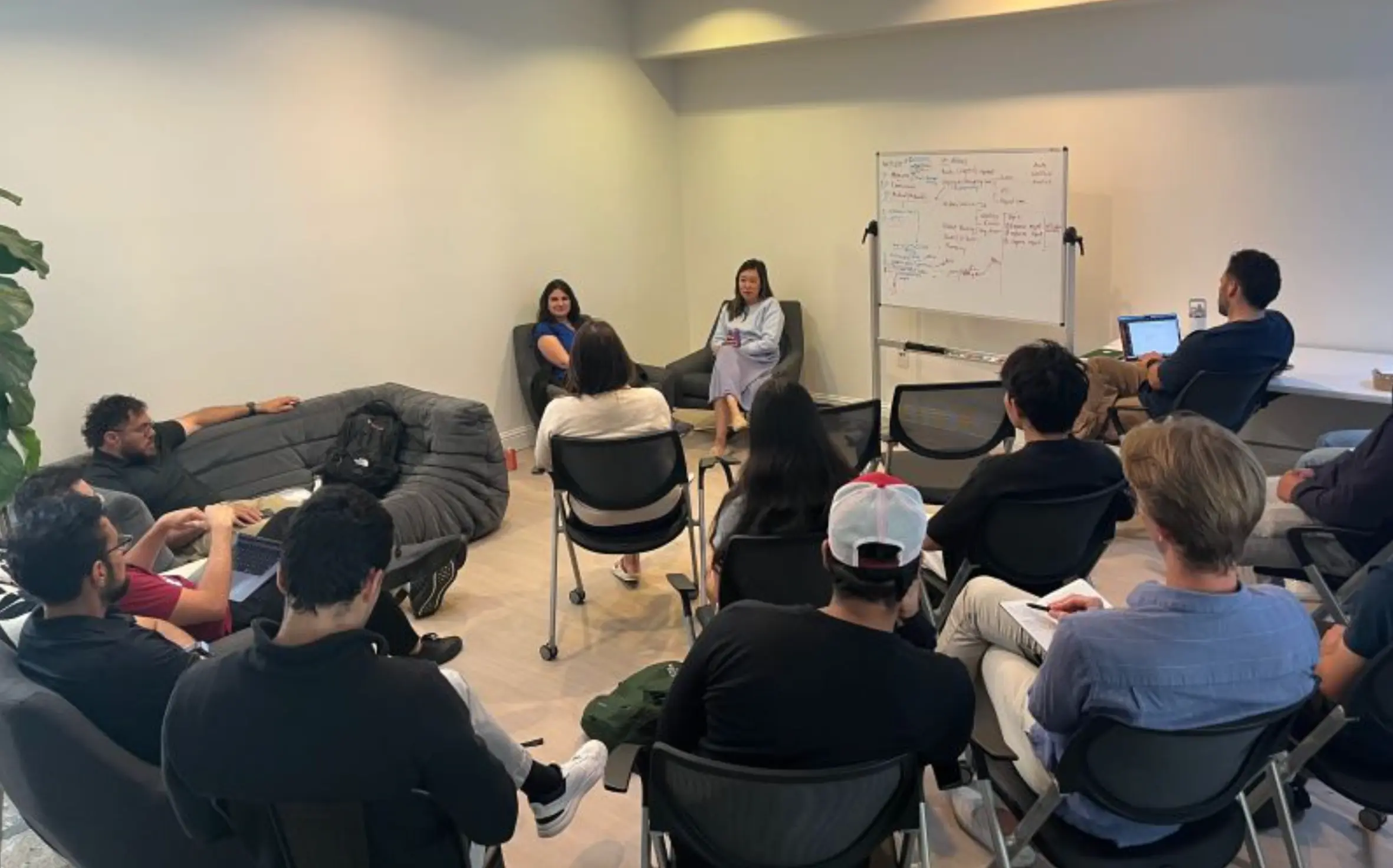
At Treehub, we've tried to think about that from the founder's perspective. Who are they going to need access to six months from now? What relationships are going to be difficult for them to build on their own? Where are they likely to hit a wall because they don't yet know the industry well enough to know who to call? What do the founders say they need?
Philiacare is an example of founders who have taken full advantage of the resources that Treehub brings. The founders: Chris is on the verge of graduating from Stanford with an MD degree and decided to start the company with Jonah, who has extensive business experience. Because of personal experiences, they wanted to create a solution for hospice care. They dug deep, called over 100 “prospects” to learn where to target a solution. Following the Tree Method (developed by our Venture Partner), they now have several advisors inside the hospice industry and will launch their product (facilitating Medicare/Medicaid payments) before year-end.
If a founder can learn in three weeks what otherwise would have taken six months, that compounds.
The accelerator model isn't finished evolving
The takeaway isn’t that we need to replace Y Combinator. If anything, YC proved the broader point: founders build better and faster when you give them an ecosystem rather than capital alone.
The question is what that ecosystem should look like for the companies being started today in health.
For us, the answer is highly specialized health. That’s what makes sense for the founders we work with and the problems they're trying to solve. Someone applying the same idea to another industry would build a very different network.
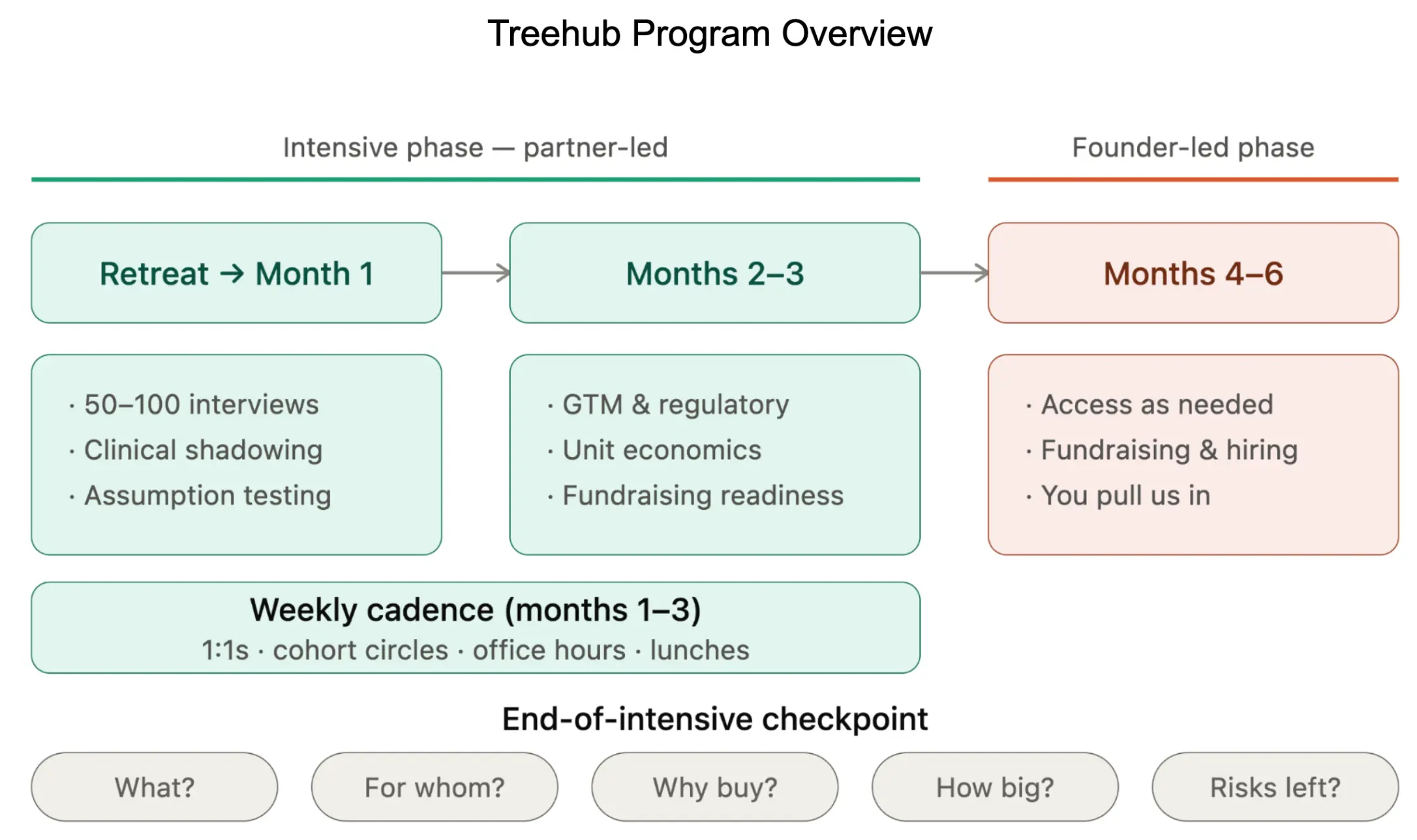
But we'll see more early-stage investors moving in this direction. As the problems founders take on become more complex, the infrastructure around them has to become more sophisticated too. We call our Treehub process a residency program.
The earliest investors won't differentiate themselves only by finding great founders or getting into the right deals. They'll differentiate themselves by what they can actually help founders do once they're in the room.
About the author
Derek Minno is a Partner at Treehub by AI Health Fund, where he invests in early-stage AI and health companies. A longtime venture investor, he has led a $1 billion venture portfolio, invested in more than 20 venture funds, and previously founded and managed a $20 million VC fund.


![12 Best Startup Financial Model Templates [Free & Paid]](https://d1pnnwteuly8z3.cloudfront.net/images/177302d9-3657-45b7-ac9d-acf801d83a74/019fadd2-2388-77a4-a43e-6c44f536d546.jpg)